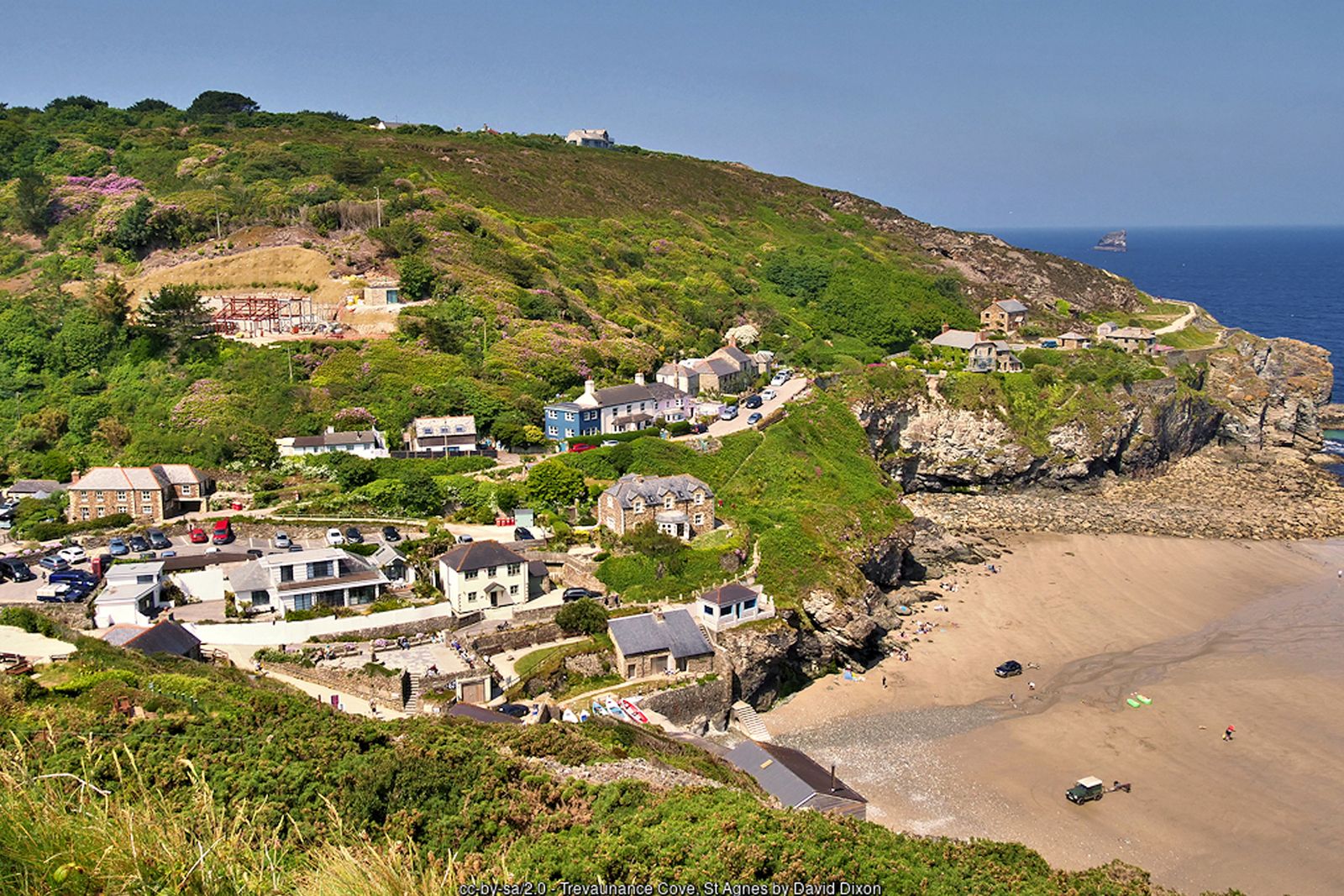
St Agnes Tin Mines Walk
Engine houses, sandy coves, sheer cliffs and a hilltop beacon – a walk through the heart of the Cornish mining landscape.
- Main walk about 8¾ miles (about 4½ hrs)
- Moderate
- OS Explorer 104
Walking in Cornwall
Granite headlands, fishing coves and serpentine cliffs – the engine houses of St Agnes, the Lizard Peninsula, the most southerly point of mainland Britain, and the wild Penwith coast from St Ives to Land's End.
Engine houses, sandy coves, sheer cliffs and a hilltop beacon – a walk through the heart of the Cornish mining landscape.
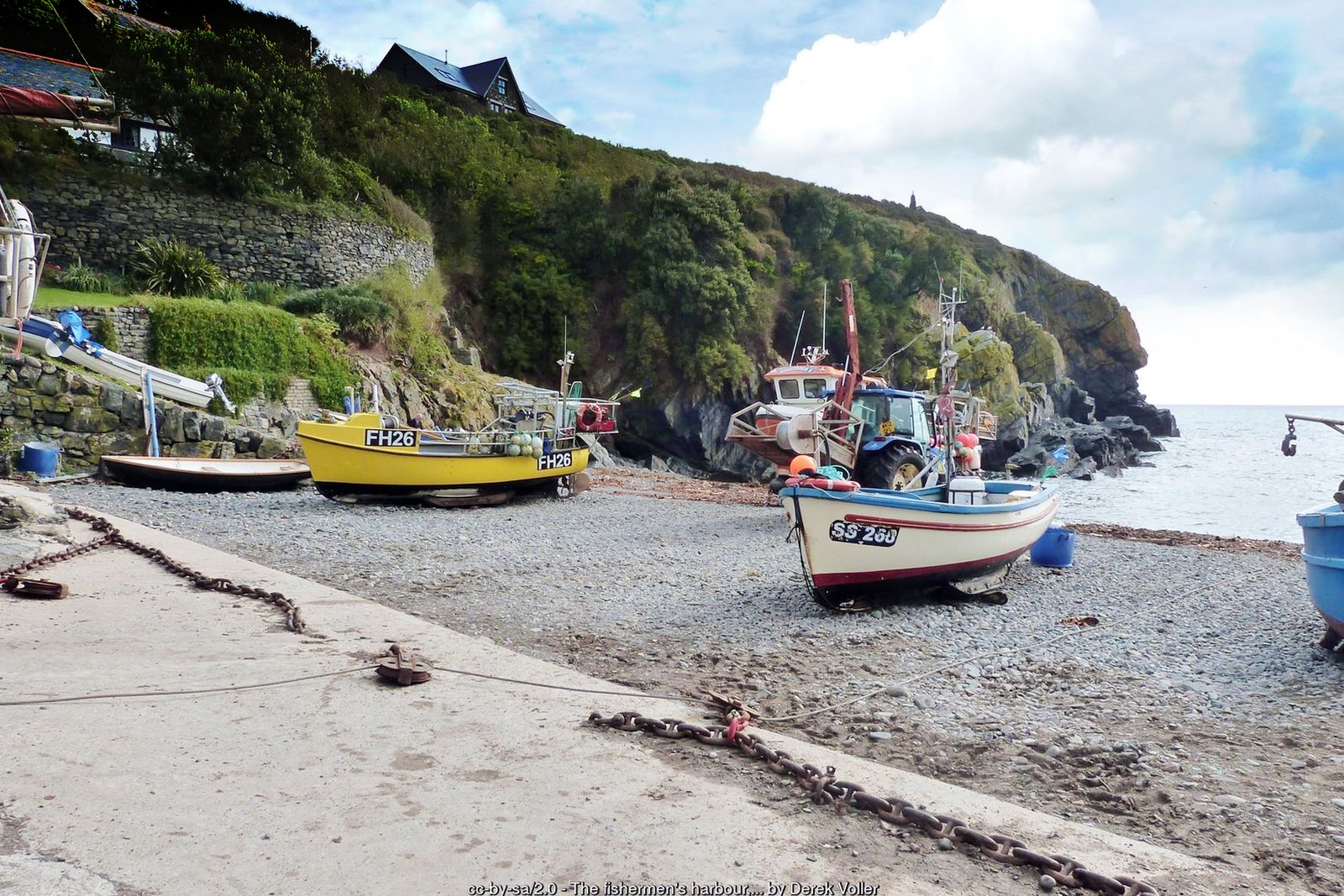
A long, fascinating day on the coast path from the most southerly point of mainland Britain, past fishing coves and serpentine cliffs to Coverack and St Keverne.
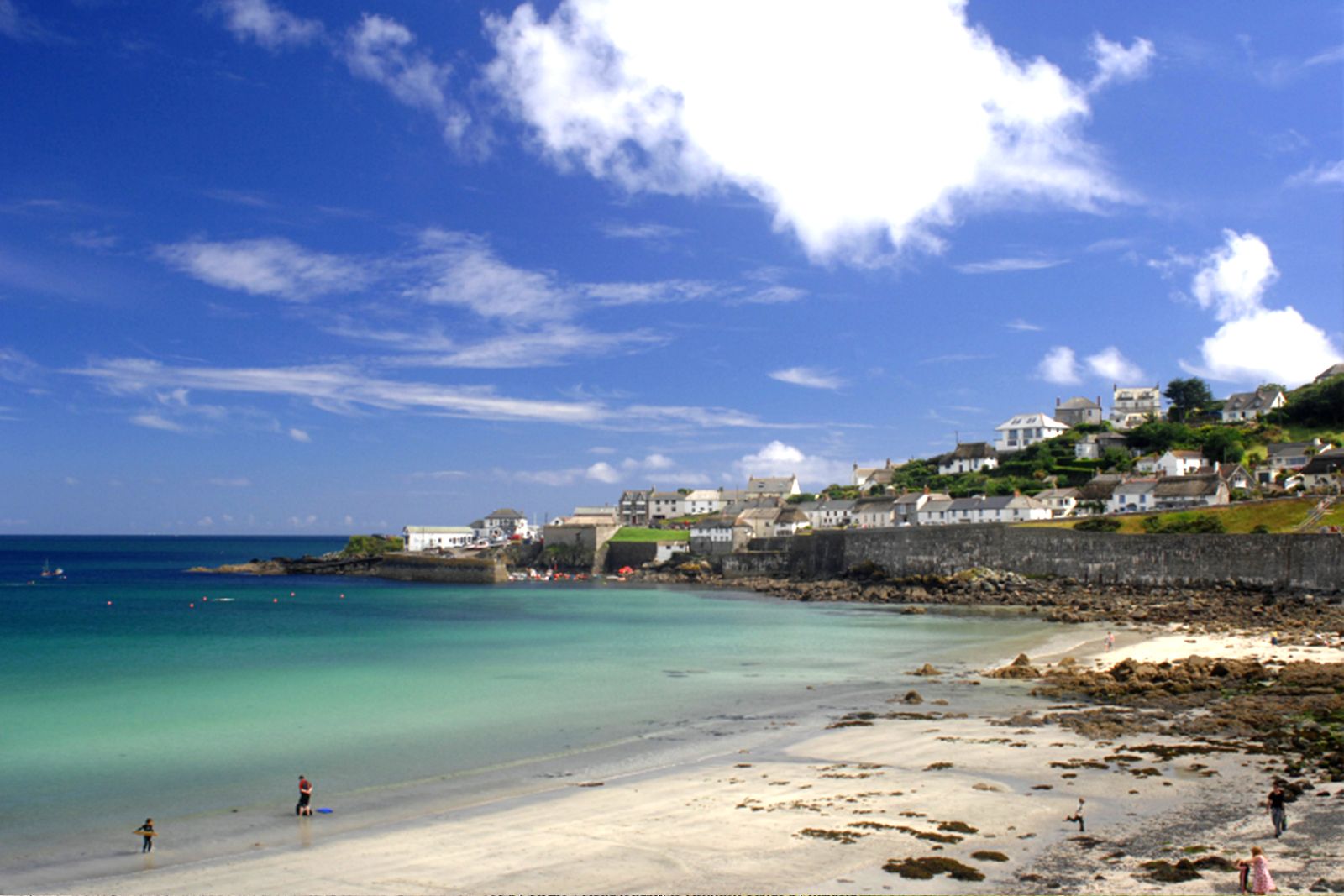
Beautiful views of Coverack and the best view of the Manacles, where many a ship has been wrecked – a varied circuit on the east side of the Lizard.
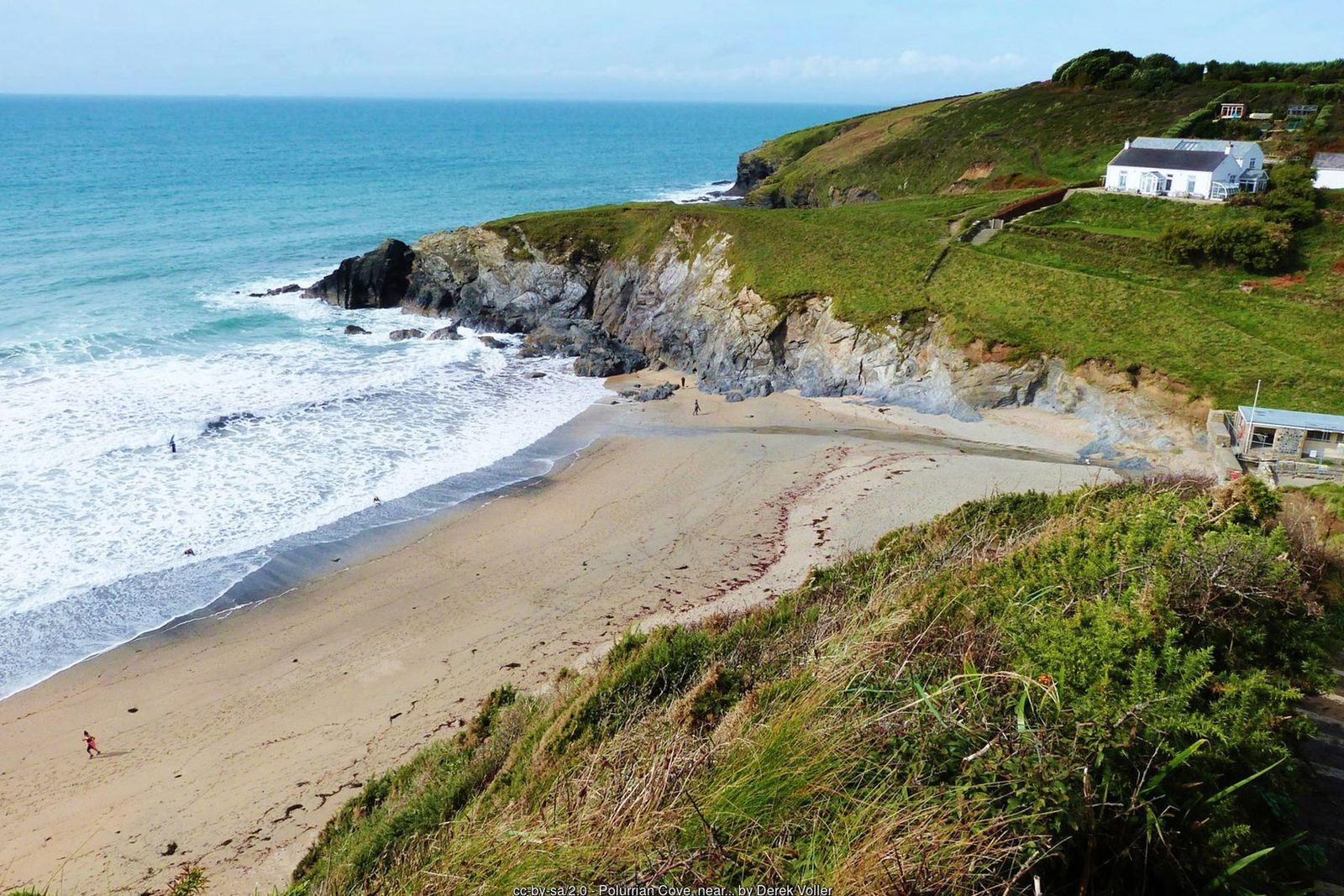
Outstanding views over Mount's Bay, cliffs bright with spring flowers and the pretty harbour of Mullion Cove – a lovely short circuit on the Lizard.
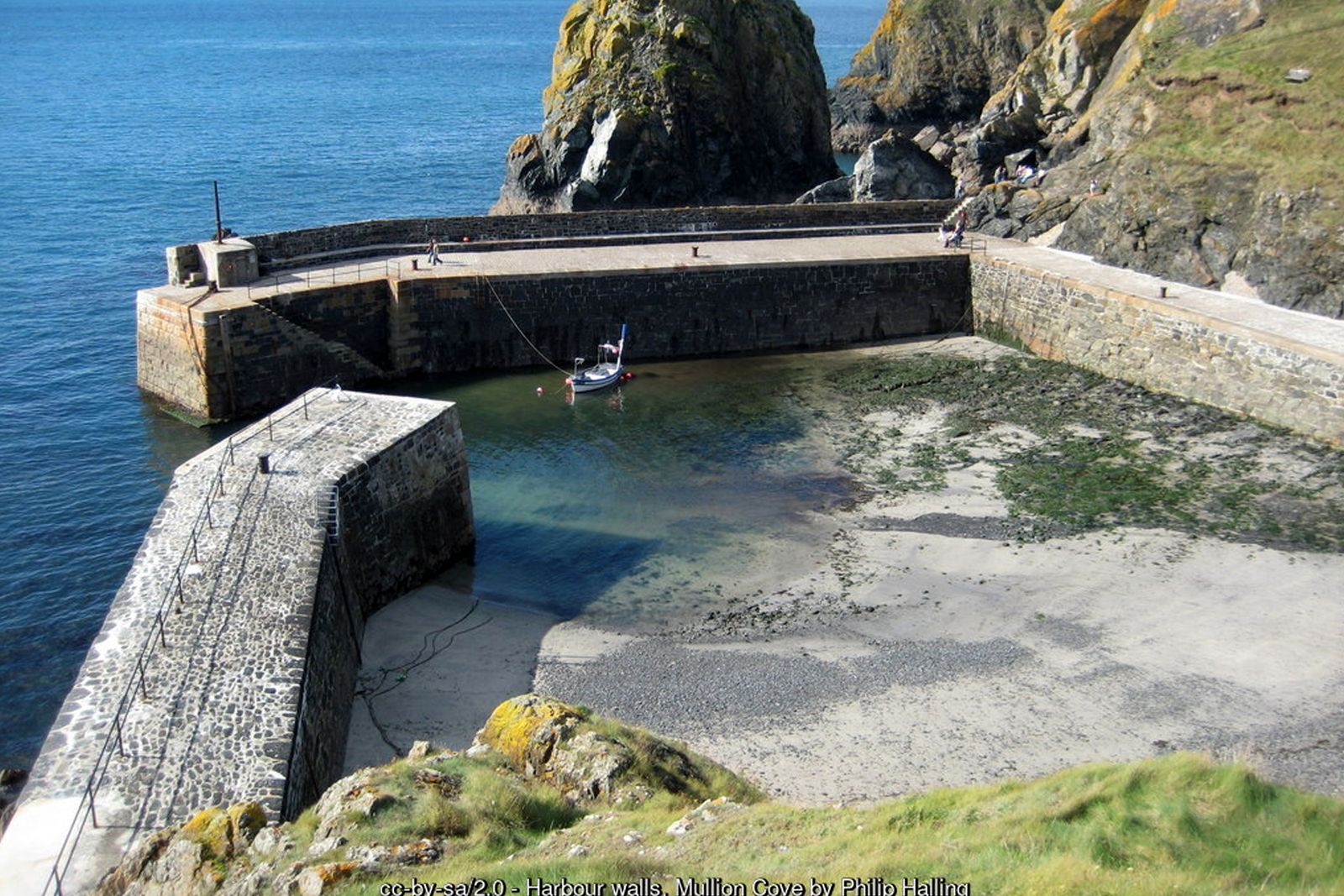
Wild heathland, rare plants and seabirds on Mullion Island – a short circuit on the cliffs south of Mullion Cove.
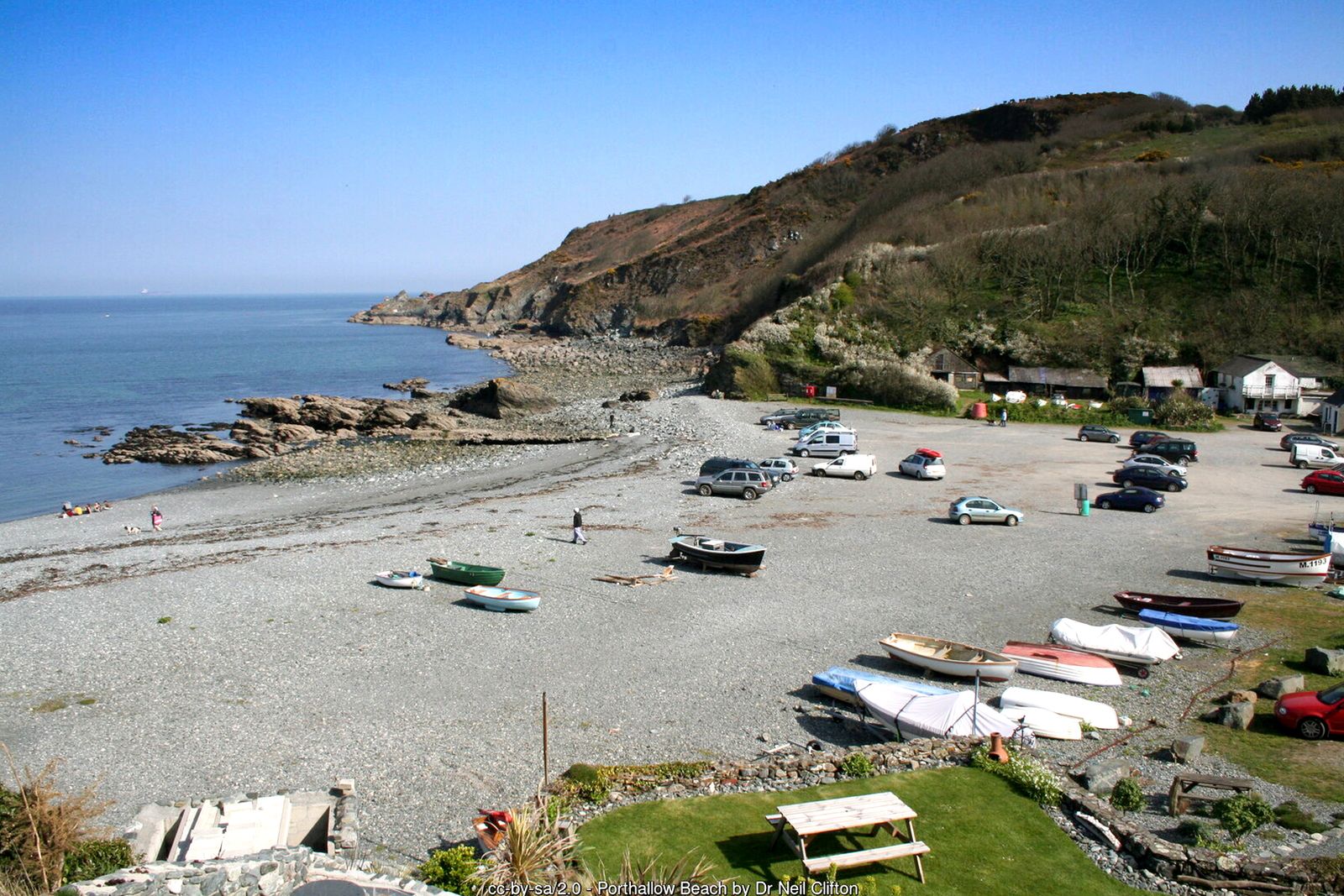
Views across Falmouth Bay, dramatic cliffs, old quarries and two fishing coves – a varied circuit from the village of St Keverne.
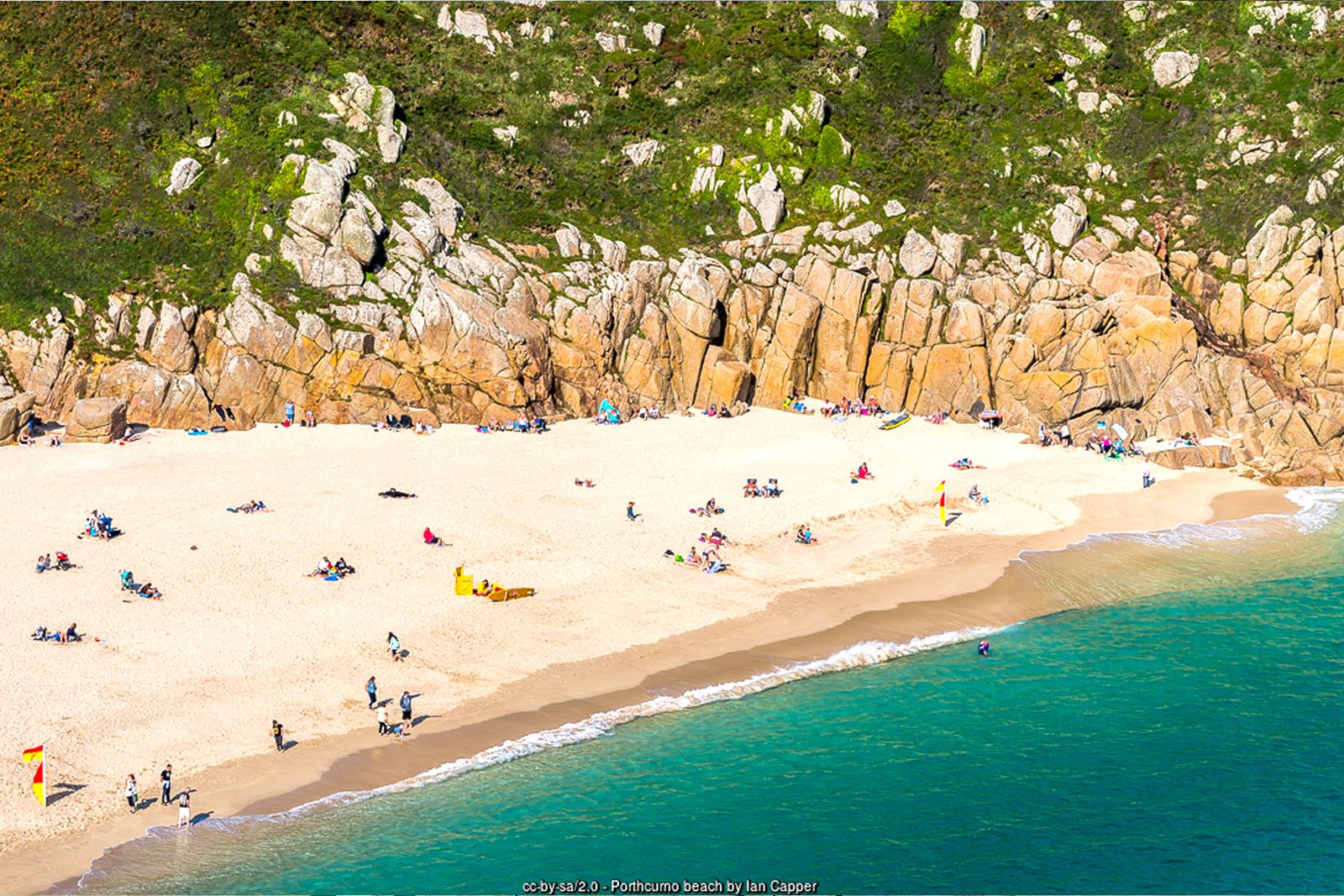
Granite headlands, turquoise coves, the cliff-top Minack Theatre and the wild moorland coast around Gwennap Head – one of the finest walks in West Cornwall.
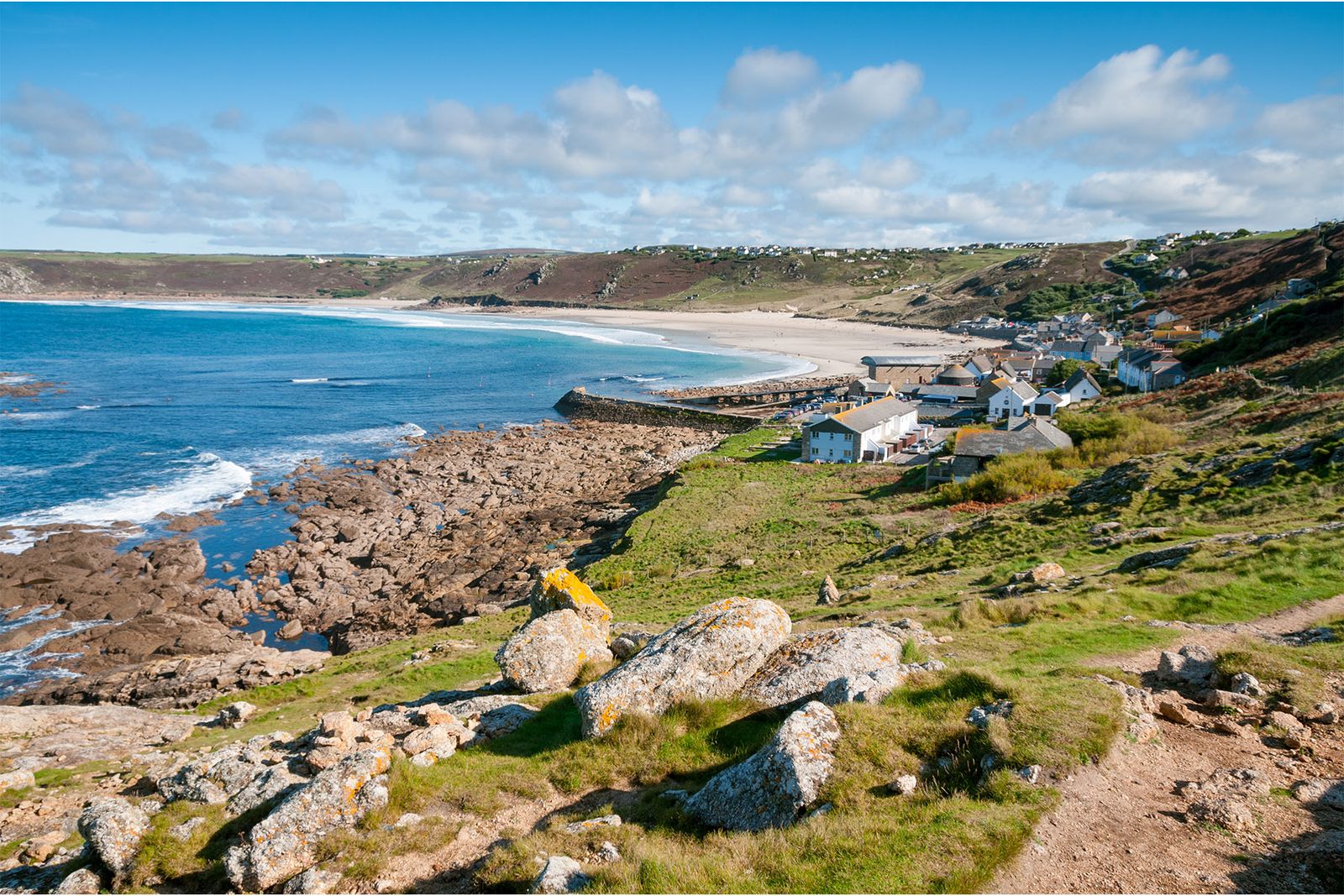
The rugged, remote Penwith coast – mermaid legends, Iron Age cliff castles, mining heritage and the most westerly point of mainland England.
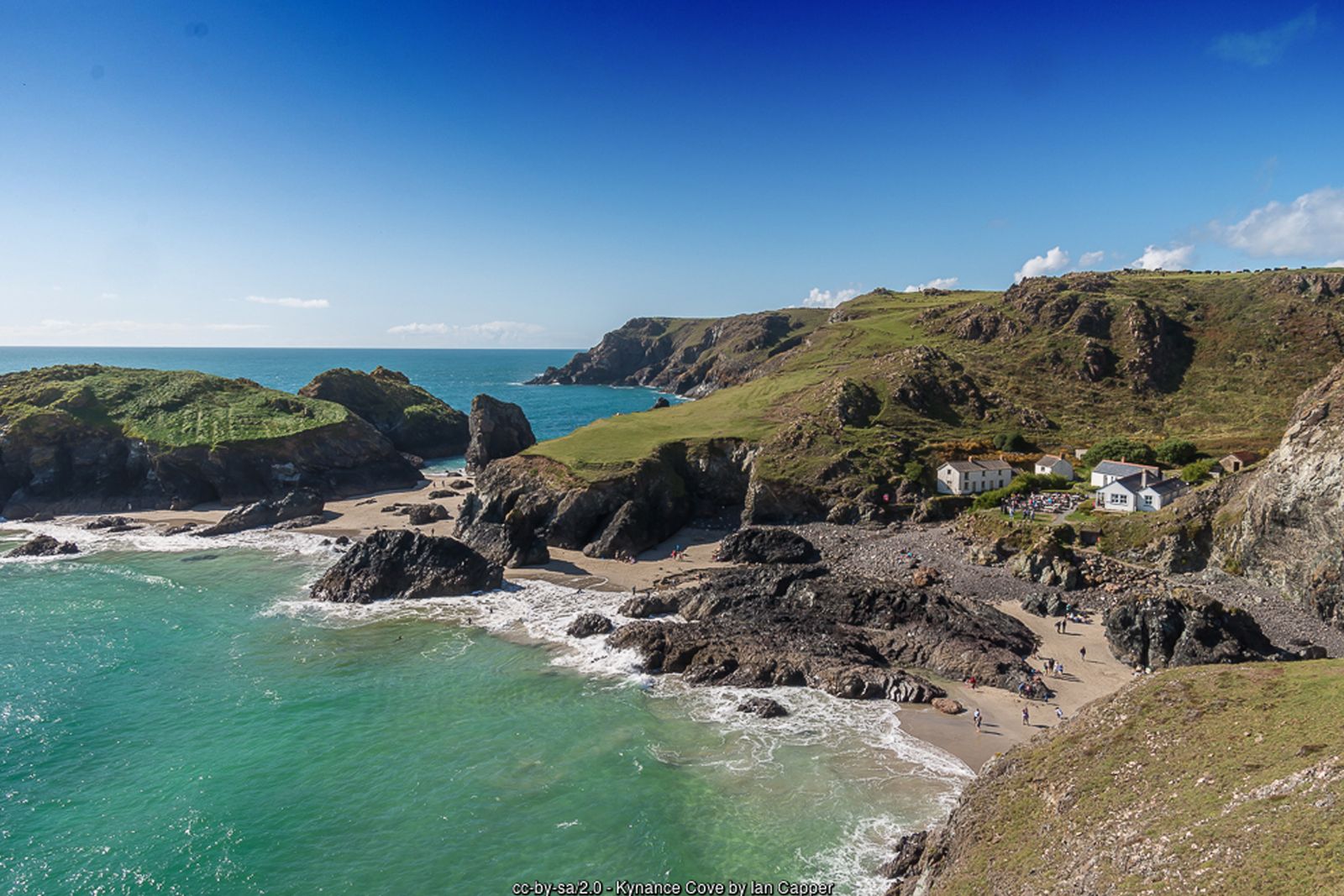
Turquoise water, white sand and red-and-green serpentine rock at Kynance, then the dramatic cliffs of the most southerly point of mainland Britain – one of the classic walks of the Lizard.
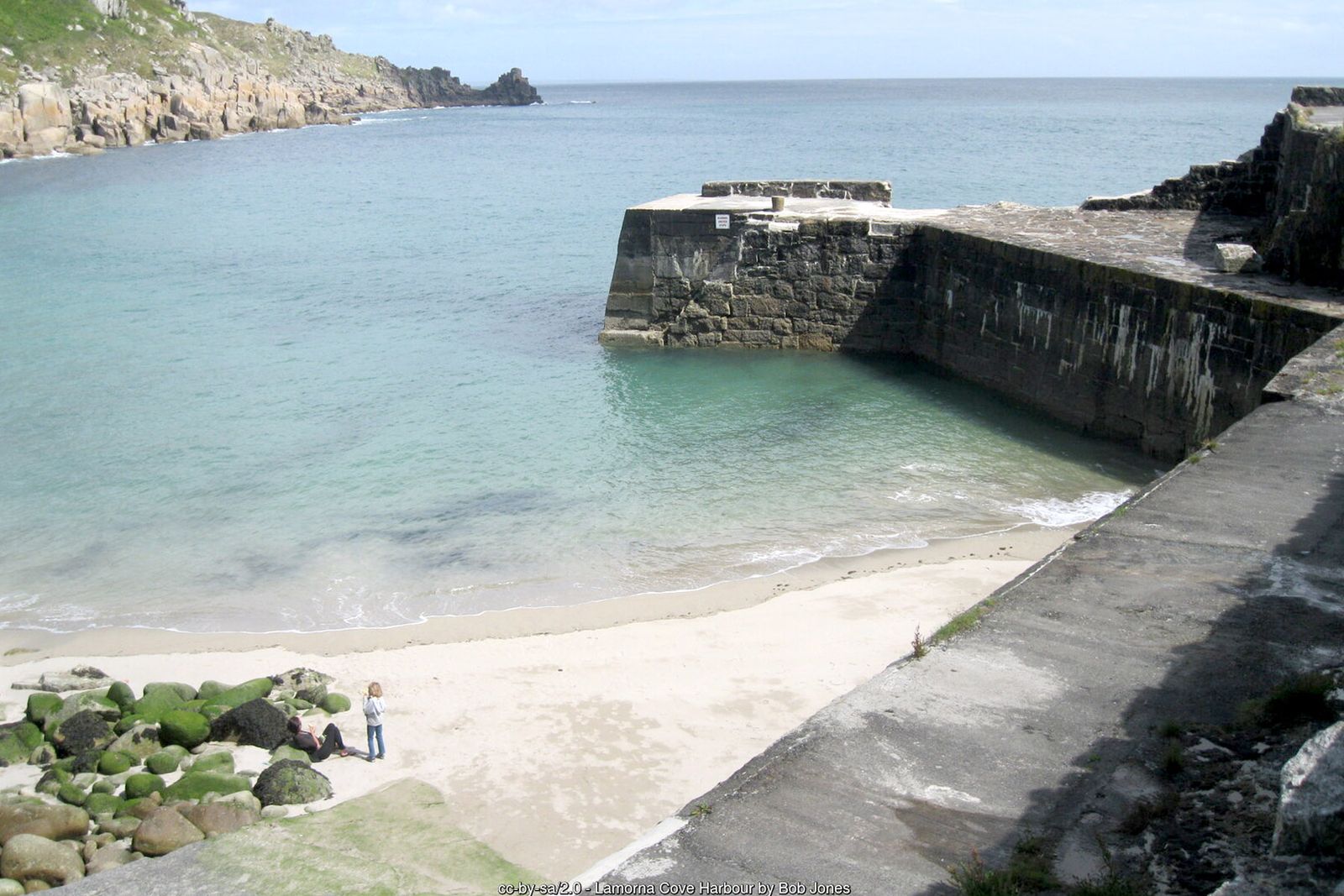
A granite quarry cove loved by artists, a sheltered nature reserve of old flower gardens, and one of Cornwall’s prettiest fishing villages – a classic circuit on the south coast of Penwith.
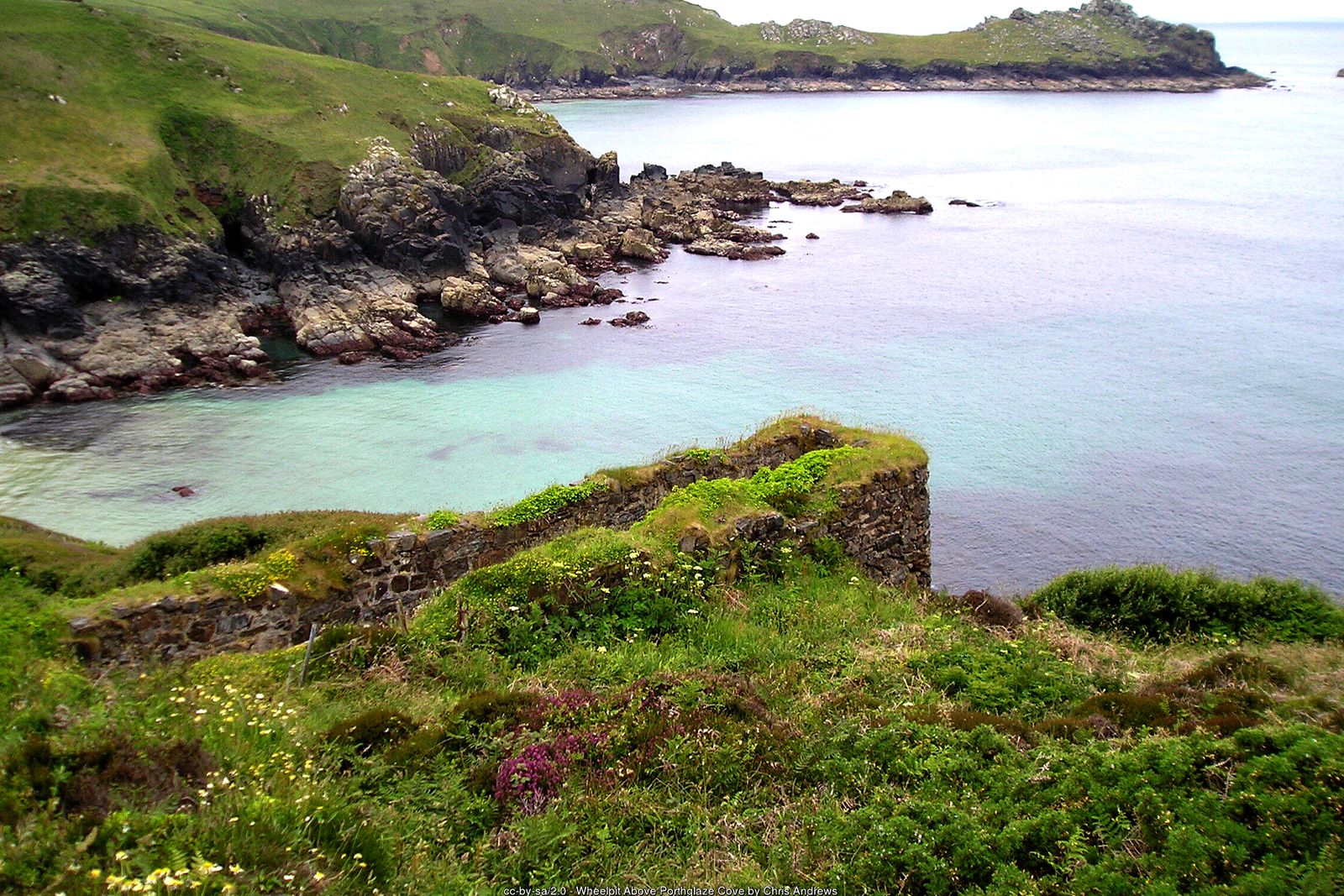
Some of the wildest coast in Cornwall – granite cliffs, hidden coves and a headland fort – with a return across tiny fields enclosed by Cornish hedges since prehistoric times.
Markers show the approximate start of each walk.