Redruth, Cornwall – Kresen Kernow, Murdoch’s Gas-Lit House, Mining Heritage & Things to Do
Redruth
Cornwall Online | West Cornwall Towns and Villages | Camborne | Redruth | Gwennap | Portreath | Godrevy | Gwithian | Hayle | St Ives | St Agnes
On This Page
- Holidays in Redruth
- Best Time to Visit
- Fore Street & the Town Centre
- Kresen Kernow
- Murdoch House & St Rumon’s Gardens
- The Railway & Viaduct
- Mining Heritage & Carn Brea
- Illogan Church Tower
- Beaches & Tehidy
- History of Redruth
- Key Buildings
- Notable People
- Things to Do
- Events & Festivals
- Places near Redruth
- Visitor Information
- Stay & Explore
- Family Holidays & Short Breaks
- Frequently Asked Questions
Redruth at a Glance
Market and mining town in west Cornwall, between Camborne and Truro, at the heart of the Cornwall and West Devon Mining Landscape World Heritage Site. Name from the Cornish Rysrudh, ‘red ford’. Home of Kresen Kernow, Cornwall’s archive centre; Murdoch House, where William Murdoch experimented with gas lighting; the Tin Miner statue and Tinners’ Hounds on Fore Street. Main-line railway station. Population 15,634 (parish, 2021 census).
Redruth festivals
St Piran’s Day – early March
Murdoch Day – a Saturday in June
International Mining & Pasty Festival – September
Christmas lights – late November
HOLIDAYS IN REDRUTH
Redruth is a characterful old Cornish market town in the middle of west Cornwall, a mile or so east of Camborne and nine miles west of Truro. For two centuries it was the capital of Cornish mining – the place where mine owners, share brokers, engineers and thousands of miners did business – and its grand Victorian granite buildings still show the wealth that copper and tin brought to the town.
Today Redruth is reinventing itself as one of Cornwall’s most creative small towns. The old Redruth Brewery has become Kresen Kernow, the archive centre that holds the history of Cornwall; the old grammar school is Krowji, Cornwall’s largest creative hub; and the Buttermarket, independent shops and cafés along Fore Street and Bond Street have brought new life to the centre.
The town is full of stories. William Murdoch lit his house in Cross Street with coal gas in the 1790s – one of the first homes in the world to be lit that way – and tested a model steam carriage here. The bronze Tin Miner statue and the Tinners’ Hounds, cast from the boots of Geevor miners, stand on Fore Street, and Brunel’s railway still crosses the town on its tall granite viaduct.
Redruth makes an excellent base for exploring both coasts. Portreath and its beach are four miles to the north, the Coast to Coast trail runs across the county to Devoran, and Carn Brea, the Great Flat Lode Trail, Gwennap Pit and Tehidy Country Park are all close by. With a station on the main line from London, it is easy to explore without a car.
For somewhere to stay, see Redruth holiday cottages and holidays and short breaks in Redruth.
Best Time to Visit Redruth
Redruth has a festival in almost every season. Spring starts with St Piran’s Day in early March and brings the camellias and rhododendrons at Burncoose. Summer is the time for Murdoch Day in June, the beaches at Portreath and Porthtowan and the cycle trails. In September the International Mining and Pasty Festival celebrates the town’s heritage and its famous food, and in winter the Christmas lights come on and Kresen Kernow, the Regal and the town’s cafés are good places to escape the weather.
↑ Back to topREDRUTH TOWN CENTRE – FORE STREET, THE CLOCK TOWER & ALMA PLACE
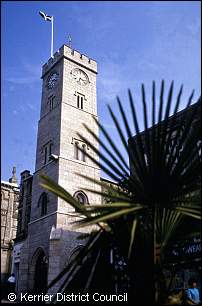
Fore Street is Redruth’s main street, climbing the hill from the bottom of the town towards West End. It is lined with tall Victorian shop fronts in granite and brick, some topped with towers and copper domes – Redruth is a town where it pays to look up. Halfway along stands the clock tower: a stone tower replaced the earlier wooden one in 1828, and it was raised in 1904 so that miners living at the top of the town could still see the time.
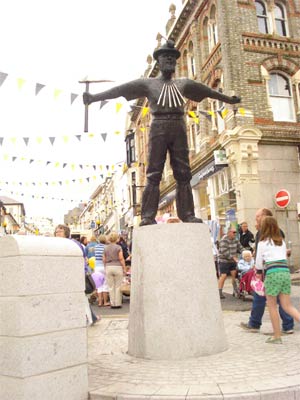
At the top of Fore Street is the six-foot-seven-inch bronze Tin Miner statue by David Annand, put up in 2008 in memory of the thousands of men who worked in the local mines, with his pick, candles and hard hat. Further down, in Tatty Square, are the eight Tinners’ Hounds by the Cornish artist David Kemp – strange, lively dogs cast in bronze from the discarded boots of miners from Geevor, one of the last Cornish tin mines.
Off Fore Street, Alma Place is a handsome group of Victorian buildings by the Redruth architect James Hicks, including the Mining Exchange of 1880, where mine shares were traded, and the former bank that is now the Civic Centre. Bond Street has independent shops and cafés, and the Buttermarket is now a food market and social hub. The family-run Regal theatre and cinema on Fore Street shows films and live shows.
↑ Back to top
The town’s emblem is the Lamb and Flag, a mark once stamped on ingots of Cornish tin. You will see it, along with the town’s deep red colour scheme, on signs and street furniture around the centre – a nod to the name Redruth, the ‘red ford’ where the stream at the bottom of Fore Street once ran red with iron oxide from tin streaming.
↑ Back to top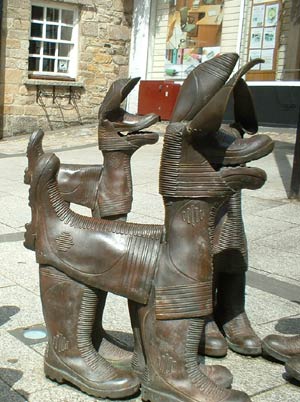
KRESEN KERNOW – CORNWALL’S ARCHIVE IN THE OLD REDRUTH BREWERY
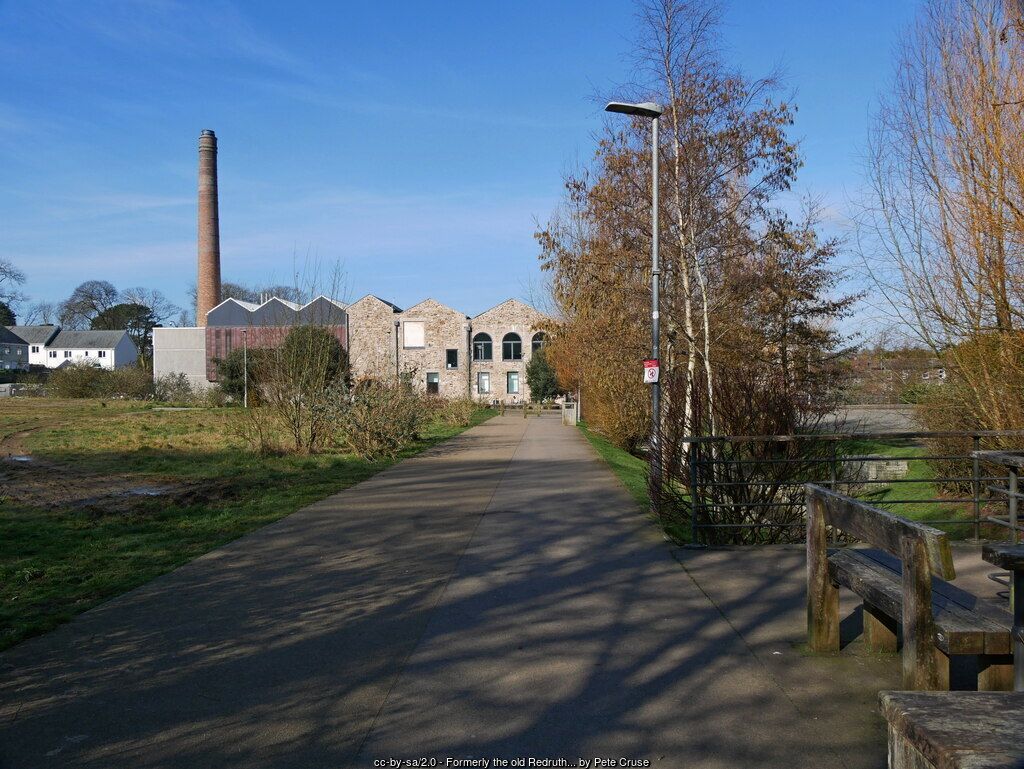
Kresen Kernow – Cornish for ‘Cornwall Centre’ – is the archive and local studies centre for the whole of Cornwall, and holds the world’s largest collection of documents, books, maps and photographs relating to Cornwall, covering some 850 years of history. It opened in September 2019 in the restored buildings of the old Redruth Brewery, which had stood derelict for more than a decade, with the help of an £11.7 million National Lottery Heritage Fund grant.
The brewery had been at the heart of the town for nearly two centuries before it closed in 2004. Its old brewhouse now holds the public spaces, linked to a new strongroom, so the tall chimney and granite walls remain a landmark at the bottom of the town. There are links with Redruth’s most famous resident, too: a recipe for finings to clear beer was sold to the brewery in 1809 by William Murdoch himself.
Anyone can visit. There is a free exhibition space, regular talks, workshops and exhibitions, and a café; family historians can search parish registers, mining records and photographs, and many people come to trace Cornish ancestors who emigrated to mining fields around the world. Check opening days and book a research visit in advance.
↑ Back to topKresen Kernow
Where: Little Vauxhall, Tolgus Hill, Redruth TR15 1AS
Opened: September 2019, in the old Redruth Brewery
Holds: Cornwall’s archives, the Cornish Studies Library and the Historic Environment Record
Also: exhibitions, talks and a café
Tip: book ahead for research visits
WILLIAM MURDOCH, MURDOCH HOUSE & ST RUMON’S GARDENS
The Scottish engineer William Murdoch (1754–1839) came to Cornwall to erect Boulton and Watt steam engines on the mines, and lived in Redruth from 1782 to 1798, in the house in Cross Street now called Murdoch House. Here he built and tested a model steam carriage, and in the early 1790s he began experimenting with coal gas. The plaque on the house records that he used gas lighting there in 1792, and the house is recognised as the first in the world to be lit by piped gas – the beginning of the gas industry.
Murdoch House, a Grade II listed building that stands on the site of the medieval chapel of St Rumon, is used by the Redruth Old Cornwall Society and local heritage groups. Next door, the walled St Rumon’s Gardens make a peaceful spot in the middle of town. A full-size replica of Murdoch’s steam carriage, the ‘Murdoch Flyer’, stands on the Tolgus roundabout, and the town celebrates him every June on Murdoch Day.
↑ Back to top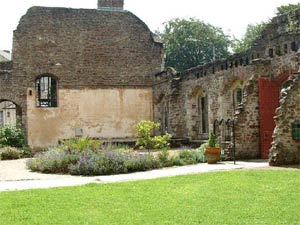
THE RAILWAY & REDRUTH VIADUCT
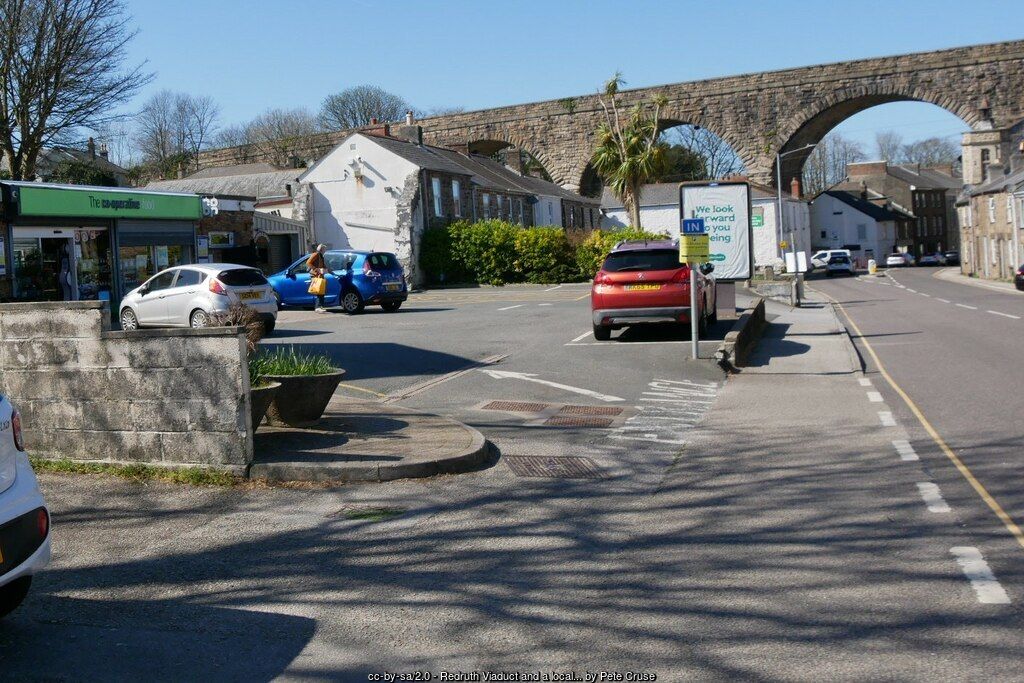
Redruth was one of the first towns in Cornwall to have a railway. The Hayle Railway, built to carry copper ore to the ports of Hayle and Portreath, opened a station on the west side of the town in 1838. When the West Cornwall Railway extended the line to Truro and Penzance, a viaduct designed by Isambard Kingdom Brunel was built across the town, 61 feet above the streets, and the present station opened at its eastern end in 1852.
Brunel’s viaduct was built of timber, like many on the Cornish line. In 1888 it was replaced by today’s granite viaduct, designed by P. J. Margary for the Great Western Railway and now Grade II listed. The station still has a footbridge dated 1888 and is on the main line from London Paddington.
↑ Back to topREDRUTH’S MINING HERITAGE & CARN BREA
Redruth grew rich on copper in the 18th and early 19th centuries, and the parishes around it – Redruth, Illogan, Camborne and Gwennap – were among the most heavily mined places on earth. Mine captains, pursers and share brokers made the town their business centre, and the Mining Exchange, banks, chapels and grand houses all date from those boom years. When copper ran out, many mines turned to tin; others closed, and thousands of Redruth families emigrated to mining fields in America, Australia and South Africa.
The landscape of engine houses, chimneys and old tramways is now part of the Cornwall and West Devon Mining Landscape World Heritage Site. South-west of the town rises Carn Brea, with its Neolithic hilltop settlement, its little castle and the Basset Monument; the Great Flat Lode Trail circles the hill past dozens of engine houses. To the east, the Coast to Coast trail follows an old mineral tramway for 11 miles from Portreath through the Poldice valley to Devoran, and the Redruth and Chasewater Railway trail follows another of Cornwall’s first railways.
The parish church of St Euny stands in its own churchtown at the foot of Carn Brea, about a mile from the centre – the original Redruth. Its tall granite tower is late 15th century; the rest of the church was rebuilt in the 1750s for the growing mining population, and its long lychgate is said to have been built to rest the coffins of miners killed in accidents.
↑ Back to top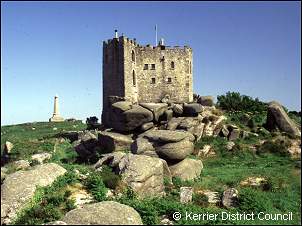
Trails from Redruth
Coast to Coast – Portreath to Devoran, 11 miles, mostly traffic-free
Great Flat Lode – 7½-mile circuit of Carn Brea
Redruth & Chasewater Railway trail – Redruth towards Devoran
Bike hire – at Bissoe, Portreath and nearby centres
Illogan – the old church tower
Between Redruth and Portreath, the village of Illogan was the parish church of the Basset family of Tehidy. When a larger church was needed for the mining population, the old church was demolished and a new one by J. P. St Aubyn came into use in 1846 – but its medieval tower was left standing on its own in the churchyard, because Trinity House objected to its removal: it was a landmark for ships off the north coast. It is all that survives of the old building, and the Basset monument stands on the old church site nearby.
↑ Back to top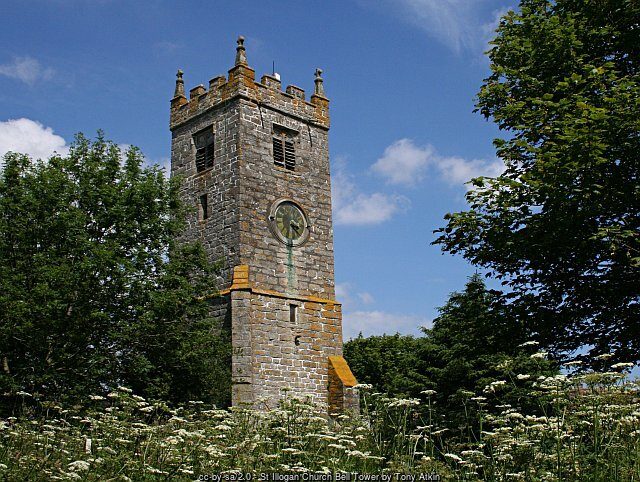
BEACHES NEAR REDRUTH & TEHIDY
Redruth is an inland town, but the north coast is only about four miles away. The surf beaches of Portreath and Porthtowan are popular with families and surfers, with RNLI lifeguards on the main beaches in summer, and the long sands of St Ives Bay and the creeks of the Fal are within half an hour.
- Portreath – a sandy cove beside the old mining harbour, about 4 miles north; the start of the Coast to Coast trail.
- Porthtowan – a lively surf beach about 4 miles north-east, backed by old mine buildings.
- Godrevy and Gwithian – dunes, surf and the lighthouse on St Ives Bay, about 8 miles west.
On the way to the north coast, Tehidy Country Park – the old estate of the Basset family, between Redruth, Camborne and Portreath – is the largest woodland in west Cornwall, with around 250 acres of woods and lakes, more than nine miles of paths, a café and free parking.
↑ Back to top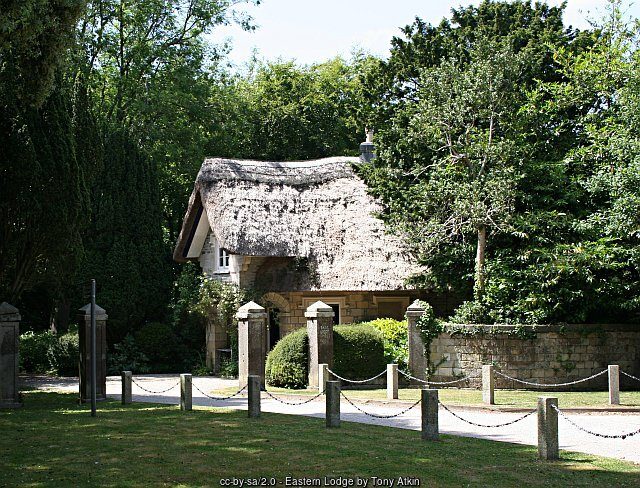
HISTORY OF REDRUTH
The name Redruth comes from the Cornish Rysrudh, ‘red ford’, usually explained by the stream at the bottom of the town, which ran red with iron oxide washed out by medieval tin streamers. The first settlement grew up around the church of St Euny in Churchtown, below Carn Brea; the market town developed later around the ford and the road that became Fore Street.
For centuries Redruth was a small market town overshadowed by its neighbours. Everything changed in the 18th century, when the demand for copper made the mines around the town – and especially in Gwennap – the richest in the world. Redruth became the business centre of Cornish mining. The Basset family of Tehidy owned much of the land, John Wesley preached to the miners at Gwennap Pit, and Methodist chapels sprang up everywhere. William Murdoch lived in the town from 1782 to 1798 and lit his house with gas.
The Hayle Railway arrived in 1838 and Brunel’s main line in 1852. In the 1870s and 1880s, with mining still important, the architect James Hicks gave the town many of its finest buildings – the Mining Exchange, banks, the Passmore Edwards library and the School of Science and Art. When copper and then tin prices collapsed, Redruth’s miners emigrated in their thousands, and the town’s fortunes declined through the 20th century.
Since the mining landscape became a World Heritage Site in 2006, Redruth has been rediscovering its heritage: the Tin Miner statue and Tinners’ Hounds arrived in 2008–09, Krowji opened in the old grammar school, and Kresen Kernow brought Cornwall’s archives to the old brewery in 2019.
↑ Back to topRedruth timeline
Late 15th century – tower of St Euny’s church built
1742 – Redruth Brewery founded
1750s – St Euny’s church rebuilt
1782–98 – William Murdoch lives in Cross Street
1792 – Murdoch lights his house with gas
1828 – stone clock tower on Fore Street
1838 – Hayle Railway reaches Redruth
1852 – Brunel’s viaduct and the present station
1880 – Mining Exchange built
1888 – granite viaduct replaces Brunel’s timber one
1895 – Passmore Edwards library opens
1904 – clock tower raised
2004 – Redruth Brewery closes
2006 – World Heritage Site status
2008 – Tin Miner statue
2019 – Kresen Kernow opens
KEY BUILDINGS IN REDRUTH
- Church of St Euny, Churchtown – Grade II* parish church with a late 15th-century granite tower; the rest rebuilt in the 1750s.
- Murdoch House, Cross Street – Grade II listed home of William Murdoch, the first house in the world lit by piped gas.
- Mining Exchange, Alma Place – built in 1880 to designs by James Hicks for trading mine shares; Grade II listed.
- Passmore Edwards Free Library, Clinton Road – castellated library of 1894–95 by James Hicks, which served the town until 2018.
- Redruth Viaduct – granite railway viaduct of 1888 by P. J. Margary, replacing Brunel’s timber viaduct; Grade II listed.
- Kresen Kernow, Tolgus Hill – the old Redruth Brewery, restored as Cornwall’s archive centre in 2019.
NOTABLE PEOPLE OF REDRUTH
- William Murdoch (1754–1839) – Scottish engineer and inventor who lived in Cross Street from 1782 to 1798, built a model steam carriage and pioneered gas lighting in his Redruth home.
- James Hicks (1846–1896) – Redruth-born architect who designed many of the town’s finest Victorian buildings, including the Mining Exchange, Alma Place and the Passmore Edwards library.
- A. K. Hamilton Jenkin (1900–1980) – historian and Cornish bard, born in Redruth, whose book The Cornish Miner (1927) is a classic of Cornish history.
THINGS TO DO IN REDRUTH
Redruth’s attractions mix heritage, creativity and the outdoors – and many of them are free. A walk around the centre takes in the statues, the clock tower and the Victorian buildings; the trails and engine houses are on the doorstep; and both coasts are a short drive or bike ride away.
- Visit Kresen Kernow for an exhibition or to trace your Cornish ancestors.
- Find the Tin Miner statue, the Tinners’ Hounds and the clock tower on Fore Street.
- See Murdoch House and relax in St Rumon’s Gardens.
- Climb Carn Brea and walk or cycle the Great Flat Lode Trail.
- Cycle the Coast to Coast trail from Portreath to Devoran.
- Stand where John Wesley preached at Gwennap Pit, two miles east.
- Catch a film or show at the Regal, or browse the studios and café at Krowji.
- Spend a day on the beach at Portreath or Porthtowan.
EVENTS & FESTIVALS IN REDRUTH
Redruth Town Council organises four town festivals each year.
St Piran’s Day (early March) – a day of Cornish music, dancing and stalls for Cornwall’s patron saint.
Murdoch Day (a Saturday in June) – the town’s biggest annual celebration, in honour of William Murdoch, with a parade of local schoolchildren, street entertainment, music, markets, historic steam engines and events at Kresen Kernow.
International Mining and Pasty Festival (September) – a weekend celebrating Redruth’s mining heritage, its links with Cornish communities overseas and the pasty, with live music, talks, markets, pasty-making competitions and a heritage walk and service at St Euny’s church.
Christmas lights (late November) – the switch-on and festive events in the town centre. Dates change each year – check before you travel.
↑ Back to top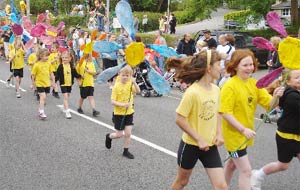
PLACES NEAR REDRUTH
- Camborne – Richard Trevithick’s town, about 3 miles west.
- Gwennap – Gwennap Pit, St Weneppa’s church and the old copper mining district, just to the east.
- Portreath – harbour and beach on the north coast, about 4 miles away.
- St Agnes – cliffs, engine houses and Trevaunance Cove, about 7 miles north-east.
- Truro – Cornwall’s cathedral city, about 9 miles east.
- Falmouth – harbour town and beaches, about 11 miles south-east.
Redruth, west Cornwall – between Camborne and Truro, with Carn Brea to the south-west and Portreath on the north coast.
VISITOR INFORMATION
Redruth lies just off the A30, with junctions for Redruth and Avers at the west of the town and Scorrier to the east. The railway station is at the top of the town centre, beside the viaduct, and buses link Redruth with Camborne, Truro, Falmouth, Helston and the north coast.
Parking & EV Charging
Cornwall Council car parks in the town centre: New Cut (TR15 1AF, short stay), New Cut Extension (long stay), Flowerpot Chapel (TR15 2AE, long stay, close to Fore Street and the station) and West End (TR15 3AD). There is a small car park at the railway station. Charges change – check the council website or the pay app.
Electric vehicle charging:
There are chargers at the West End car park and at the supermarkets on the edge of town. Public chargers change often – check the live map before you travel.
Train & Bus
Redruth station (Station Hill) is on the Cornish main line, with Great Western Railway trains to Penzance, Truro, Plymouth and London Paddington, CrossCountry services, and the Night Riviera sleeper. Local buses run to Camborne, Truro, Falmouth, Helston, Portreath and St Agnes. Check timetables before you travel.
Facilities & Supermarkets
The town centre has a post office, chemists, banks, public toilets and independent shops along Fore Street, Bond Street and Alma Place. Supermarkets:
- Tesco – Tolgus Hill, Redruth TR15 1AX
- Morrisons – Agar Road, Illogan Highway, Redruth TR15 3NH
- Tesco Extra – Station Road, Pool TR15 3QJ
- Lidl – Illogan Highway, Pool TR15 3EE
Cafés, Pubs & Restaurants
Fore Street and Bond Street have cafés, bakeries, takeaways and traditional pubs, and the Buttermarket is a lively food market and social hub. There are cafés at Kresen Kernow and Krowji, and good pub food in the villages around the town. Redruth is proud of its pasties – try one from a local baker.
Health
Camborne Redruth Community Hospital, Barncoose, Redruth TR15 3ER, has a nurse-led Minor Injury Unit, open every day from 8am to 10pm, with free parking. The nearest A&E is the Royal Cornwall Hospital at Treliske, Truro. There are GP surgeries and pharmacies in the town. Call NHS 111 for urgent advice and 999 in an emergency.
Disabled Access
Redruth is built on a hill: Fore Street is a long, steady slope, and some side streets are steep. Kresen Kernow is a modern, fully accessible building with a lift. Much of the Coast to Coast trail is firm and gently graded. Check access at older venues and the station before you travel.
Vets & Dogs
Vets in Redruth: Medivet Redruth (Monument Vets), Drump Road, Redruth TR15 1PS; Camborne’s vets are about three miles away. Carn Brea, the mineral tramway trails and Tehidy Country Park are popular dog walks – keep dogs on leads near livestock and on the cliffs.
National Trust & English Heritage
The National Trust looks after East Pool Mine at Pool, between Redruth and Camborne, with two great beam engines (pre-booked tours), and is taking on the running of Heartlands at Pool. Check opening before you go.
Attractions
Kresen Kernow, Murdoch House, Carn Brea, Gwennap Pit, King Edward Mine, Tehidy Country Park and the Coast to Coast trail, with Burncoose gardens at Gwennap and the beaches of Portreath and Porthtowan close by.
STAY & EXPLORE IN REDRUTH
Beaches
Official Information
FAMILY HOLIDAYS & SHORT BREAKS IN REDRUTH
Family holidays in Redruth put both of Cornwall’s coasts within easy reach – the surf at Portreath and Porthtowan to the north, the Fal and Falmouth to the south – with traffic-free cycle trails, Carn Brea and Gwennap Pit on the doorstep. Children love the Murdoch Day parade, the Tinners’ Hounds and a day cycling coast to coast.
Browse Redruth holiday cottages for self-catering homes in the town and the surrounding countryside, or holidays and short breaks in Redruth for every type of accommodation.
Short breaks in Redruth are good value all year – a June weekend for Murdoch Day, a September break for the Mining and Pasty Festival, or a few days researching family history at Kresen Kernow. Booking direct with the owner means no agency fees.
↑ Back to topFREQUENTLY ASKED QUESTIONS ABOUT REDRUTH
Redruth is a town in west Cornwall, about three miles east of Camborne and nine miles west of Truro, just off the A30. The north coast at Portreath is about four miles away.
Redruth was the business centre of Cornish copper and tin mining and is part of the Cornish Mining World Heritage Site. It is known for William Murdoch, who lit his house in Cross Street with gas in the 1790s, for Kresen Kernow, Cornwall’s archive centre in the old Redruth Brewery, and for the Tin Miner statue and Tinners’ Hounds on Fore Street.
Kresen Kernow, Cornish for ‘Cornwall Centre’, is Cornwall’s archive and local studies centre, with the world’s largest collection of documents, books, maps and photographs about Cornwall. It opened in September 2019 in the restored Redruth Brewery on Tolgus Hill, and has free exhibitions, events and a café. Book ahead for research visits.
Murdoch Day is held on a Saturday in June. It is Redruth’s biggest annual festival, honouring William Murdoch with a children’s parade, street entertainment, music, markets and historic steam engines.
Redruth’s International Mining and Pasty Festival is held over a weekend in September, with live music, talks, markets, pasty competitions and heritage events around the town.
Cornwall Council runs the town centre car parks: New Cut (short stay) and New Cut Extension, Flowerpot Chapel and West End (long stay). Flowerpot Chapel, TR15 2AE, is close to Fore Street and the railway station.
Yes. Redruth station is on the main line between Penzance and London Paddington, with Great Western Railway and CrossCountry trains and the Night Riviera sleeper. It is at the top of the town centre, beside the viaduct.
Redruth is inland, but Portreath beach is about four miles north and Porthtowan about four miles north-east. Both are popular surf beaches with RNLI lifeguards in summer. The St Ives Bay beaches at Godrevy and Gwithian are about eight miles west.
Redruth comes from the Cornish Rysrudh, meaning ‘red ford’, usually explained by the stream at the bottom of the town, which ran red with iron oxide from medieval tin streaming.