Falmouth, Cornwall – Harbour Town on the Fal Estuary
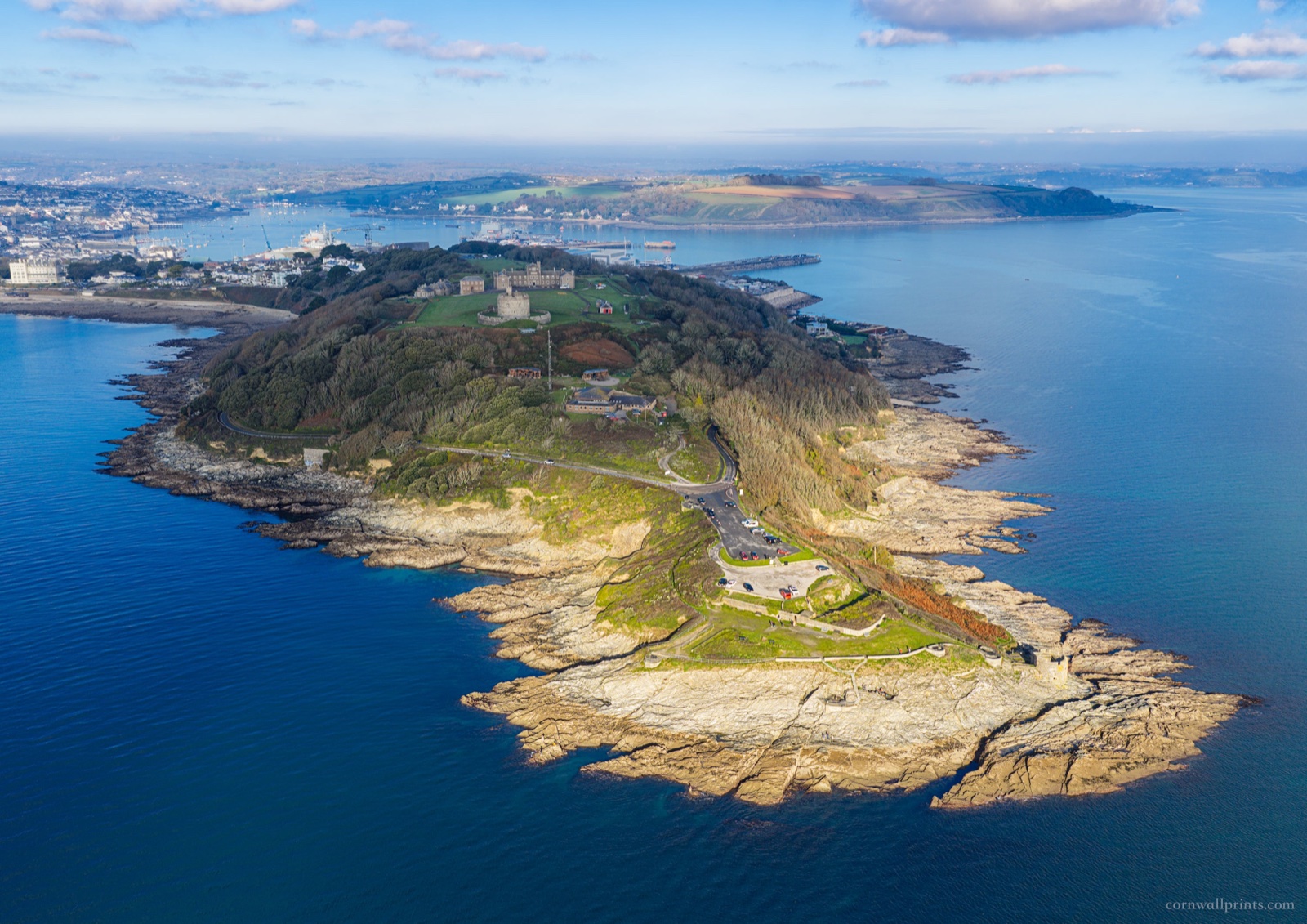
Falmouth & the Fal Estuary
Cornwall Online | Mid Cornwall Towns and Villages | Truro | Falmouth | The Roseland Peninsula | St Mawes | St Anthony Head | St Just in Roseland | Portscatho | Gerrans | Philleigh | Ruan Lanihorne | Tregony | Veryan | Portloe | Portholland | Gorran Haven | Mevagissey | The Lost Gardens of Heligan | St Austell | Charlestown | Fowey | Golant | Lostwithiel | The Lizard Peninsula
On This Page
- Holidays in Falmouth
- Best Time to Visit
- Harbour, Docks & Lifeboat
- Falmouth Beaches
- Pendennis Castle
- National Maritime Museum
- History of Falmouth
- Key Buildings
- Gardens, Art & Culture
- Notable People
- Walks from Falmouth
- Things to Do
- Local Events
- Places near Falmouth
- Visitor Information
- Stay & Explore
- Family Holidays & Short Breaks
- Frequently Asked Questions
Falmouth at a Glance
Historic port town at the mouth of the River Fal, on one of the world’s great natural harbours. Pendennis Castle, the National Maritime Museum Cornwall and the Falmouth Art Gallery; Gyllyngvase (Blue Flag 2026), Swanpool and three more beaches within walking distance; ferries to St Mawes, Flushing and up the river to Truro. Three railway stations on the Maritime Line from Truro. Home of Falmouth Week (August), the Sea Shanty Festival (June) and the Oyster Festival (October).
HOLIDAYS IN FALMOUTH
Falmouth is Cornwall’s great maritime town. It stretches for more than a mile along the western shore of the Fal estuary, where the river opens into the Carrick Roads – together with Falmouth Harbour, often described as the third deepest natural harbour in the world and the deepest in Western Europe. Few places in Britain have such a constant view of ships, from tall ships and superyachts to working boats, ferries and the dinghies of the sailing clubs.
The old town runs along the waterfront through Arwenack Street, Church Street and Market Street to the Prince of Wales Pier and The Moor, a lively mix of independent shops, galleries, pubs, cafés and seafood restaurants, with lanes and “opes” leading down to the quays. At the southern end of town, the National Maritime Museum Cornwall stands on Discovery Quay beside the marina, and beyond the docks the road climbs to Pendennis Castle, Henry VIII’s fortress on the headland.
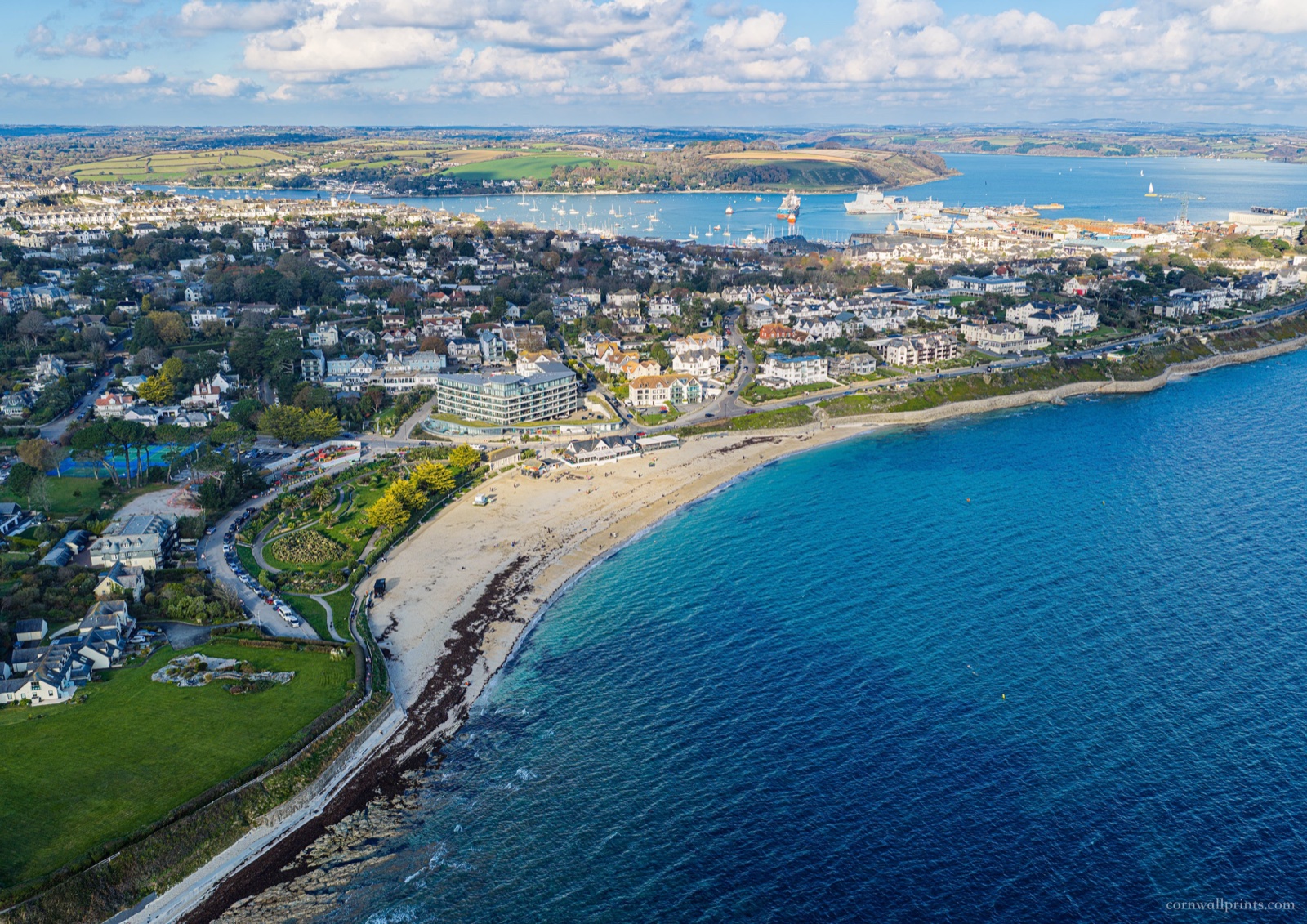
Falmouth is also a seaside resort. A short walk from the town centre, Gyllyngvase Beach is a wide sandy beach with a seafront café, RNLI lifeguards in summer and a Blue Flag for 2026, and the coast path leads on to Swanpool and Maenporth. Below the castle, Castle Beach and Tunnel Beach are popular with rock-poolers and snorkellers.
For families, Falmouth is an easy and varied holiday base – sandy beaches, crabbing from the quays, the museum’s hands-on galleries, the castle’s ramparts and guns, and boat trips around the harbour. Leave the car behind and take the ferry to St Mawes or Flushing, or cruise up the river past Trelissick to Truro. The town’s subtropical gardens, warmed by the mild climate, add a splash of colour from spring onwards.
The town has a famous seafaring past. From 1689 to 1850 Falmouth was the home of the Falmouth Packet Service, the Post Office ships that carried the mails to Spain, Portugal, the Mediterranean, the West Indies and the Americas. In 1969 Robin Knox-Johnston sailed back into Falmouth as the first person to sail single-handed and non-stop around the world, and the harbour remains a favourite start and finish for ocean voyages.
Falmouth is also a good centre for exploring the Roseland Peninsula, the Helford River and the Lizard, with the great gardens of Trebah and Glendurgan a few miles away. For somewhere to stay, see Falmouth holiday cottages and holidays and short breaks in Falmouth.
Best Time to Visit Falmouth
Spring brings the gardens into flower, quiet beaches and longer days for the coast path. Summer is the busiest season, with lifeguards on Gyllyngvase, the full ferry timetable, the Sea Shanty Festival in June and Falmouth Week in August, when the harbour fills with racing yachts. Autumn is a lovely time for walking and eating out, and the Oyster Festival in October marks the start of the oyster dredging season. In winter the museum, galleries and castle are open and the town is peaceful.
In high summer and during the big events, parking in the town centre fills quickly – use the park and ride or arrive by train.
↑ Back to topFALMOUTH HARBOUR, THE DOCKS & THE LIFEBOAT
The harbour is the reason Falmouth exists. The deep, sheltered waters of the Carrick Roads have given refuge to ships for centuries, and the town grew up on the shore in the 17th century beside the Killigrew family’s manor at Arwenack. Today Falmouth Harbour Commissioners look after the inner harbour, the moorings and the marinas, and cruise ships anchor in the bay or come alongside in the docks.
Falmouth Docks were begun in 1860, after the loss of the Packet Service, to give the town a new future in ship repair. The Queen Elizabeth Dock, opened by the Duke of Edinburgh in 1958, was then the largest privately owned dry dock in the country. The docks are run today by A&P Falmouth, one of the UK’s largest ship repair yards, working on everything from cruise ships and tankers to Royal Fleet Auxiliary and Royal Navy vessels.
Alongside them, Pendennis Shipyard, founded in 1988, builds and refits some of the world’s finest sailing and motor superyachts, keeping alive Falmouth’s long tradition of boatbuilding. Around the harbour, traditional oyster boats still dredge the Fal under sail and oar, as the fishery’s rules require.
Falmouth Lifeboat
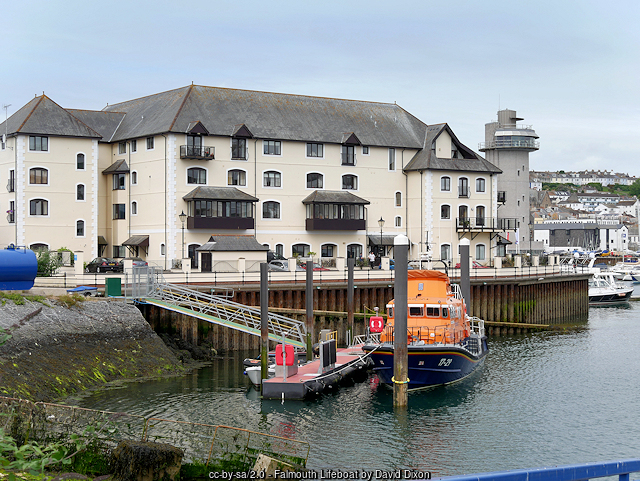
The RNLI has had a lifeboat station at Falmouth since 1867. The present station, at Tinners Walk beside Port Pendennis, opened in the 1990s and runs an all-weather lifeboat and an Atlantic 85 inshore lifeboat, covering the busy waters of Falmouth Bay and the approaches to the Fal. The Severn-class Richard Cox Scott, named by Queen Elizabeth II in 2002, served the station for 23 years until January 2025; she has been replaced by the Shannon-class Decibel Too, which arrived on station in June 2025.
Ferries & Boat Trips
- St Mawes Ferry – a year-round passenger ferry across the Carrick Roads from the Prince of Wales Pier (and from Custom House Quay in the summer season) to St Mawes, with views of both of Henry VIII’s castles.
- Flushing Ferry – a short hop from the Prince of Wales Pier across the Penryn River to the village of Flushing.
- Truro and Trelissick – Enterprise Boats cruise up the Fal from the Prince of Wales Pier, calling at Trelissick and, depending on the tide, Truro or Malpas.
- King Harry Ferry – the chain ferry across the Fal near Trelissick, a short cut by car to the Roseland Peninsula.
Fal River Links ferries are run by different operators – check the Fal River ferries website for current timetables. All sailings depend on the weather.
↑ Back to top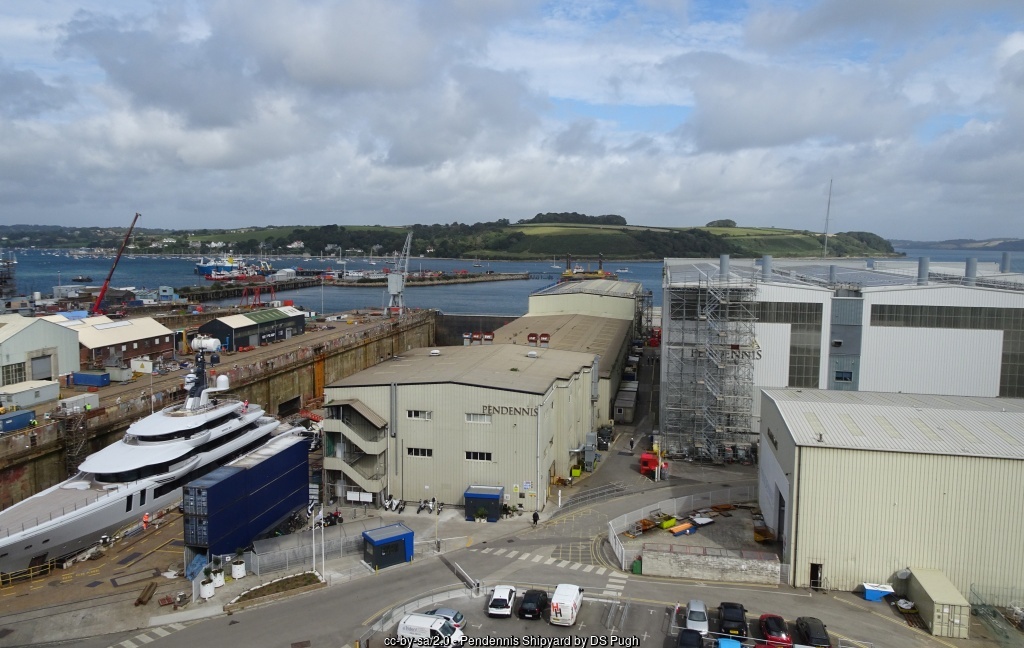
The Port of Falmouth
Harbour: Falmouth Harbour and the Carrick Roads, the deepest natural harbour in Western Europe
Docks: begun 1860; ship repair by A&P Falmouth
Shipyard: Pendennis Shipyard, superyachts (since 1988)
Lifeboat: RNLI station since 1867
Ferries: St Mawes, Flushing, Trelissick and Truro
FALMOUTH BEACHES
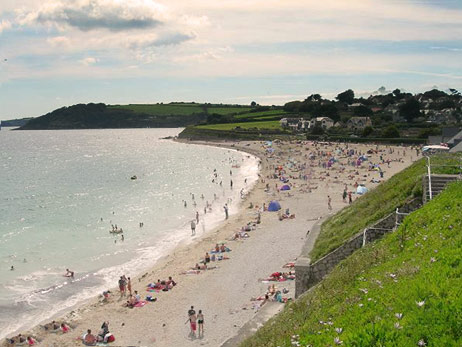
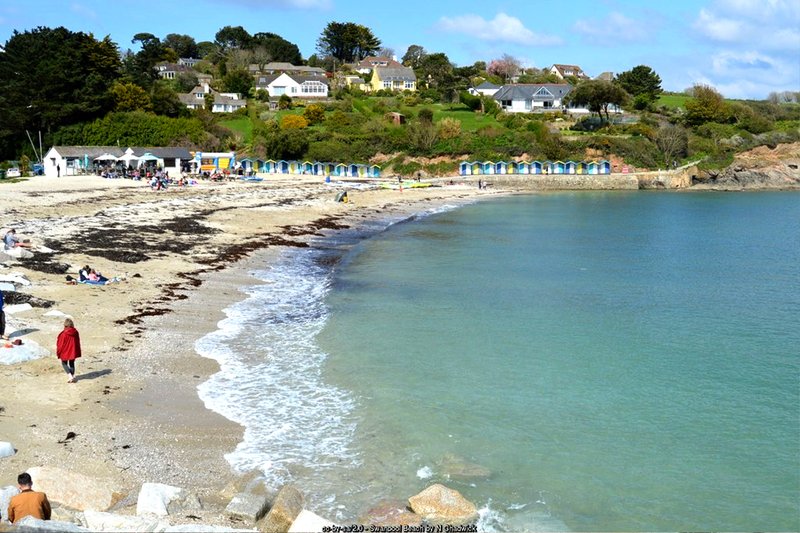
Falmouth is lucky to have five beaches within walking distance of the town, strung along the south-facing shore between Pendennis Point and the road to the Helford River. They are sheltered from the Atlantic swell, so the sea is usually calm – ideal for families with young children, paddling, swimming, paddleboarding and kayaking.
Gyllyngvase – “Gylly” to almost everyone – takes its name from the Cornish for a shallow inlet, a good description of its wide, gently shelving bay. It became Falmouth’s seaside resort beach around 1900, when hotels went up along Cliff Road for the new holiday trade, and the sub-tropical Queen Mary Gardens behind the sands were laid out on what had been marshy ground at the mouth of a stream. Today it has a beach café, toilets and watersports hire, and the volunteer Gyllyngvase Surf Life Saving Club, founded in 2008, works alongside the RNLI lifeguards.
Nearer the town, Castle Beach and Tunnel Beach are quite different: small coves of rock ledges and shingle below Cliff Road, cut into the dark slates of the Falmouth peninsula. At low tide their rock pools are among the best on this part of the coast, with anemones, crabs, starfish and small fish – Castle Beach is a hub site for the Rock Pool Project, which runs family rock pooling events. Tunnel Beach is reached by a stone spiral staircase opposite the Princess Pavilion and a tunnel under the promenade. Both beaches shrink to almost nothing at high tide, so go an hour or two either side of low water and keep an eye on the incoming tide.
To the south-west, Swanpool takes its name from the lake behind the beach, a rare brackish lagoon held back by a shingle bar and fed with seawater through a culvert cut in the 1820s. A silver-lead mine was worked beside it from the early 1700s until 1865. Further on, Maenporth is a quieter sandy cove about a mile and a half from the town centre, home to Falmouth Surf School & Watersports, with the wreck of the trawler Ben Asdale (lost in a gale in December 1978) still visible offshore. The South West Coast Path links all five beaches, so you can walk from Castle Beach all the way to Maenporth along the cliffs, stopping at each one on the way.
RNLI lifeguards patrol Gyllyngvase every day through the summer season. The other beaches have no lifeguard cover, so keep a close eye on children in the water, watch the tide and check the RNLI website before you go.
- Gyllyngvase Beach – Falmouth’s main beach and its only Blue Flag beach for 2026: a wide sandy bay below Queen Mary Gardens, with a beach café, toilets, watersports hire and a car park. Lifeguarded in summer.
- Swanpool – a sand and shingle beach with level access from its car park, backed by a brackish lagoon that is a Local Nature Reserve and Site of Special Scientific Interest. Café and watersports.
- Castle Beach – a small cove below Pendennis Castle, with rock pools at low tide and good snorkelling.
- Tunnel Beach – a hidden little cove reached through a tunnel beneath the cliff, opposite the Princess Pavilion.
- Maenporth – a sheltered sandy cove a couple of miles south-west of the town, with a café, restaurant, watersports and a car park behind the beach.
Seasonal dog restrictions apply on all the town’s beaches in summer – see Vets & Dogs below. See our guide to Falmouth’s beaches for parking, facilities and access at each one.
↑ Back to topFalmouth beaches at a glance
Gyllyngvase: Blue Flag 2026; RNLI lifeguards in summer
Swanpool: nature reserve lagoon; level access
Castle Beach: rock pools and snorkelling
Tunnel Beach: small hidden cove
Maenporth: sheltered cove towards the Helford
Lifeguards only at Gyllyngvase, and only in the summer season. Check the Met Office beach forecast and tide times before you go.
PENDENNIS CASTLE
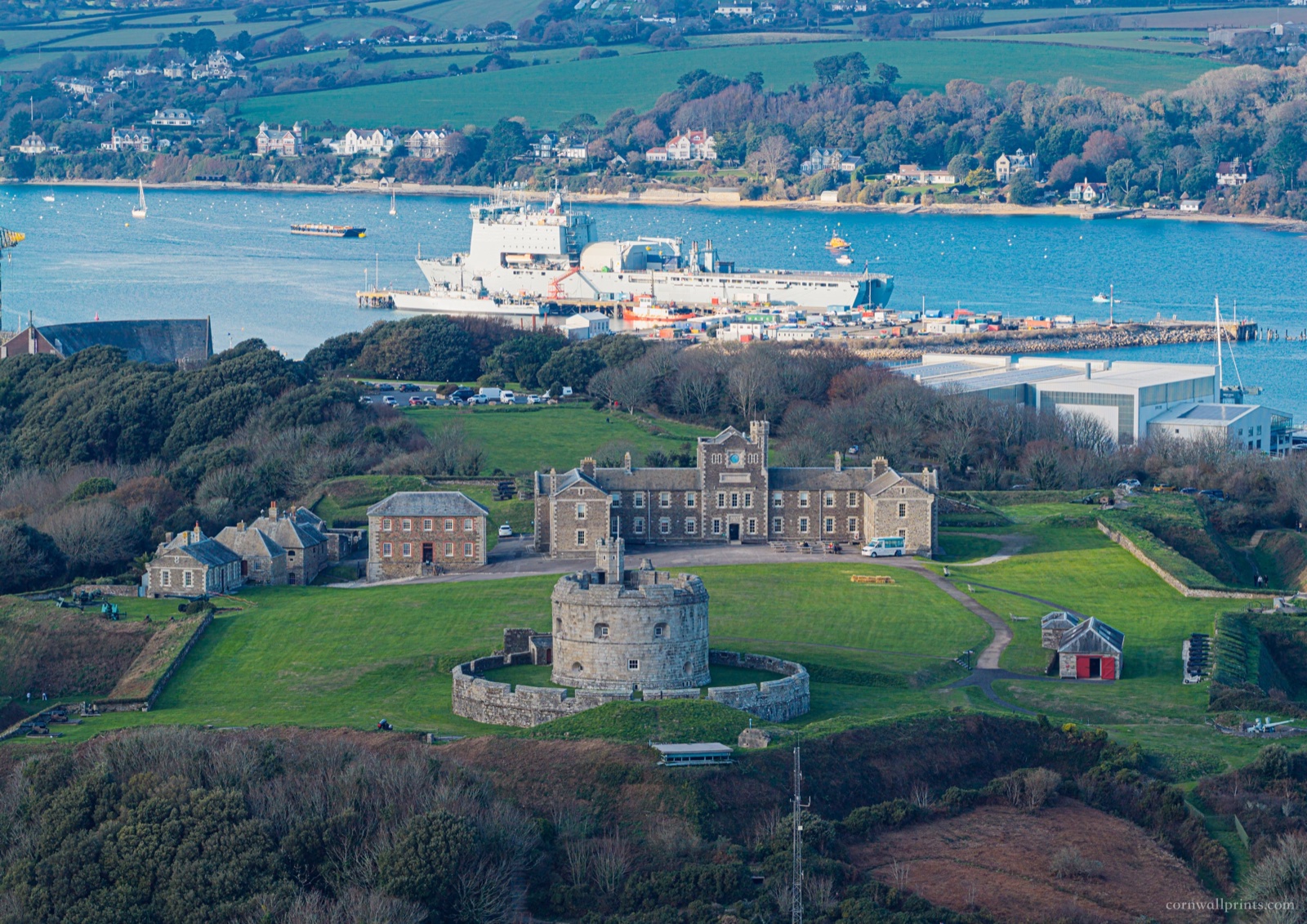
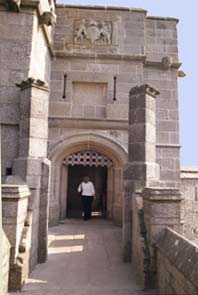
On the headland at the southern tip of the town, Pendennis Castle is one of the finest coastal fortresses in England. It was built between 1539 and 1545 as one of Henry VIII’s chain of artillery forts, facing its twin, St Mawes Castle, across the mouth of the Fal so that their guns could catch an enemy fleet in a crossfire. The heart of the castle is Henry’s round gun tower, or keep, ringed by a lower gun platform.
Under Elizabeth I, after the Spanish raid on Mount’s Bay in 1595, the Tudor castle was enclosed in a great angled rampart with bastions and a ditch, turning it into a fortress that could hold out against attack by land as well as sea. It was put to the test in the Civil War: in 1646 the Royalist garrison under the elderly Sir John Arundell of Trerice withstood a siege of about five months, one of the longest of the war, before surrendering on honourable terms in August.
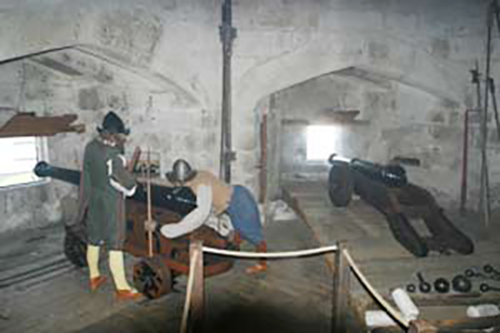
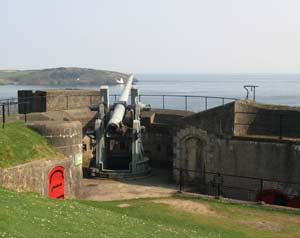
Pendennis stayed in military use for four centuries. Later guns, barracks and batteries were added, and in both World Wars it was the headquarters of the Falmouth defences, with six-inch guns at the Half Moon Battery and a battery observation post looking out over the bay. Today the castle is cared for by English Heritage. You can climb the keep, explore the Royal Artillery Barracks and the Fortress Falmouth exhibition, walk the ramparts and enjoy wonderful views over Falmouth Bay, the Carrick Roads and St Mawes. Allow at least two hours.
↑ Back to top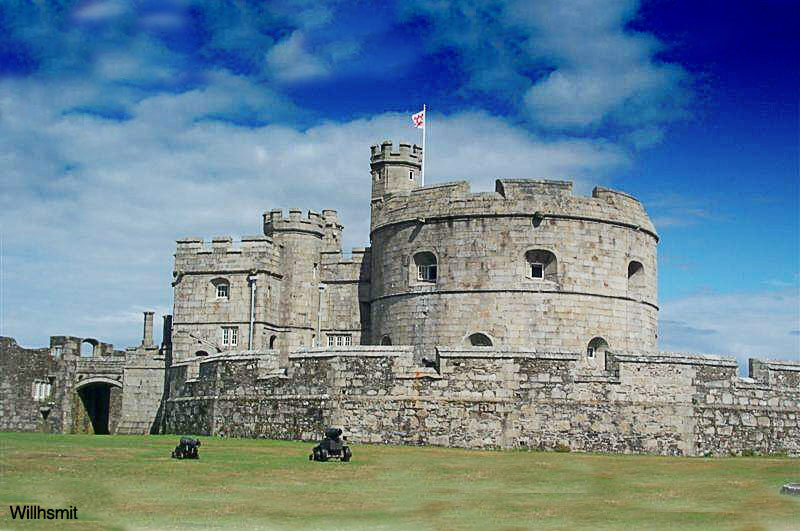
Pendennis Castle
Built: 1539–45, for Henry VIII
Enlarged: under Elizabeth I, c.1600
Siege: 1646, about five months
Cared for by: English Heritage
Where: Castle Drive, Pendennis Point, TR11 4LP
Nearby: St Mawes Castle, by ferry across the Fal
NATIONAL MARITIME MUSEUM CORNWALL
On Discovery Quay beside the marina, the National Maritime Museum Cornwall opened in 2003 in a striking building of timber and granite, its lookout tower rising above the harbour. It grew out of a partnership between the National Maritime Museum at Greenwich and the old Cornwall Maritime Museum, and it is home to the National Small Boat Collection.
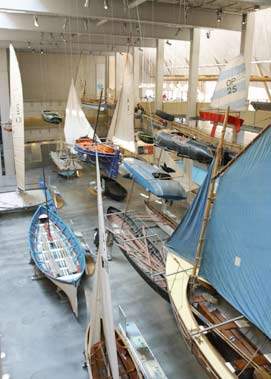
The great main hall is filled with the “Flying Flotilla” of small boats hanging from the roof, and the galleries tell the story of Cornwall and the sea – the Falmouth Packets, fishing, lifeboats, smuggling, sailing and surfing – alongside changing exhibitions. Go down to the Tidal Zone, where windows below the waterline look out into the harbour, and up to the Look Out at the top of the tower for views over Falmouth, Pendennis Point and St Mawes.
The museum has its roots in the town’s own history. The Royal Cornwall Polytechnic Society collected objects about Cornwall and the sea for some 150 years, and in 1981 they became the Falmouth Maritime Museum, later the Cornwall Maritime Museum. In 1992 it joined with the National Maritime Museum at Greenwich in the Falmouth International Maritime Initiative, and Greenwich’s collection of more than 100 historic small boats came to Falmouth. The new museum opened in February 2003 and welcomed some 168,000 visitors in its first year.
The building was designed by the architects Long & Kentish, who won a design competition in 1996. The site was once a boatyard, and the building uses traditional materials – granite, slate and green oak boarding fixed by shipwrights – so that it weathers into the waterfront. Inside, there are 15 galleries over five floors, and the Lookout Tower is about 100 feet (30 metres) high. Children can sail model boats on the Boat Pool, and the Cornwall Galleries tell the story of the county’s seafaring, from the Packet ships to pilchard fishing.
The museum is also a working centre for maritime history. In its boatbuilding workshop, the boat collection team and volunteers restore old craft and build replicas of historic boats, and visitors can often watch them at work. The Bartlett Library, part of the Bartlett Maritime Research Centre, holds thousands of books, periodicals and archives on Cornish maritime history, shipping and boats, including Falmouth harbour records. It is free to use for research.
The museum is open daily (except at Christmas) and is fully accessible, with a café overlooking the water. An admission ticket can be used again for a year. It makes an excellent rainy-day choice for families.
↑ Back to top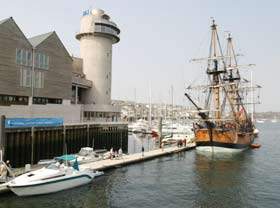
HISTORY OF FALMOUTH
For most of the Middle Ages the main town on the river was Penryn, and the shore where Falmouth now stands was little more than the Killigrew family’s manor house at Arwenack and a few houses at the hamlets of Smithick and Pennycomequick. Henry VIII built Pendennis Castle on the headland in the 1540s, and the Killigrews became its first governors.
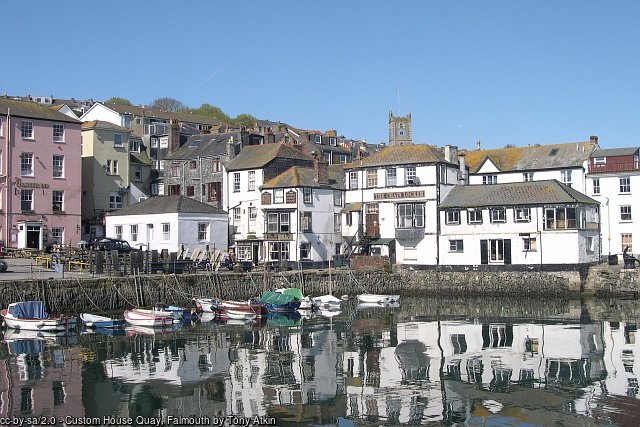
In the early 17th century Sir John Killigrew began to develop a town beside Arwenack, despite complaints from its older neighbours. The Custom House moved here from Penryn in the 1650s, and on 5 October 1661 Charles II granted a charter incorporating the new town and confirming its name, Falmouth. Sir Peter Killigrew gave the land for the parish church, dedicated to King Charles the Martyr in memory of the executed Charles I, and in 1670 built the quays that are now Custom House Quay and North Quay.
In 1689 the Post Office made Falmouth the station for its overseas mail service, the Falmouth Packet Service. For over 150 years fast, lightly armed packet ships sailed from here with mail, bullion and passengers to Spain and Portugal, the Mediterranean, the West Indies and North and South America; at its height in the 1820s there were 39 packets. News of the victory at Trafalgar reached England at Falmouth in November 1805, landed by HMS Pickle. Steamships and the railway drew the mails away to Southampton, and the last packet sailed in December 1850.
The town found a new purpose in the docks, begun in 1860, and the railway from Truro arrived in 1863, bringing visitors to new hotels above the beaches. The Quaker Fox family, shipping agents in the town, founded the Royal Cornwall Polytechnic Society in 1833 and created famous gardens nearby, and the painter Henry Scott Tuke made Falmouth his home. In the Second World War the harbour was a busy naval base: the commandos of the St Nazaire Raid sailed from here in March 1942, and American troops embarked from the Fal for the D-Day landings in 1944.
Today Falmouth is a busy port, a university town and one of Cornwall’s most popular resorts, its sailing tradition celebrated every August in Falmouth Week.
↑ Back to topFalmouth – key dates
1539–45 – Pendennis Castle built
c.1613 – Sir John Killigrew begins the new town
1646 – siege of Pendennis Castle
1661 – charter from Charles II; the name Falmouth confirmed
1662 – Church of King Charles the Martyr begun
1670 – Killigrew quays built
1689 – Falmouth becomes the Packet station
1805 – news of Trafalgar landed at Falmouth
1814 – Custom House built
1833 – Polytechnic Society founded
1850 – last Falmouth Packet sails
1860 – Falmouth Docks begun
1863 – railway from Truro opens
1867 – RNLI lifeboat station opens
1942 – St Nazaire Raid sails from Falmouth
1969 – Robin Knox-Johnston returns
2003 – National Maritime Museum Cornwall opens
Key Buildings
- Pendennis Castle – Henry VIII’s gun tower of 1539–45 inside the Elizabethan fortress on Pendennis Point, cared for by English Heritage. See Pendennis Castle above.
- Church of King Charles the Martyr, Church Street – the Grade II* listed parish church begun in 1662 on land given by Sir Peter Killigrew, and dedicated to Charles I.
- Arwenack House – the Killigrews’ manor house, partly burnt in the Civil War and later rebuilt, now Grade II* listed and divided into homes. Opposite stands the Killigrew Monument, a 13-metre granite pyramid put up by Martin Lister Killigrew in 1737.
- The Custom House, Arwenack Street – a Grade II* listed Greek Revival building of 1814 with a Doric portico. Behind it on the quay is the King’s Pipe, a brick chimney where seized contraband tobacco was burnt.
- Custom House Quay and North Quay – the Grade II* listed quays built by Sir Peter Killigrew in 1670, the heart of the old harbour.
- National Maritime Museum Cornwall, Discovery Quay – the landmark museum and lookout tower of 2003. See the museum above.
GARDENS, ART & CULTURE
Falmouth’s mild climate and its links with ships from all over the world made it a town of gardens. Behind Gyllyngvase Beach, Queen Mary Gardens, opened in 1912, are laid out in formal style beneath Monterey pines. Nearby, Gyllyngdune Gardens surround the Princess Pavilion, the town’s Edwardian concert hall and tea room, and Fox Rosehill Gardens off Melvill Road are full of tender subtropical plants. In the town centre, Kimberley Park is a favourite green space with mature trees and summer bedding. Several of these have won Green Flag Awards.
Within a few miles are some of Cornwall’s great gardens: Trebah and the National Trust’s Glendurgan, both created by members of the Fox family on the Helford River, and Trelissick on the Fal, reached by road or boat.
Falmouth Art Gallery, in the Municipal Buildings on The Moor, holds one of the most important collections in Cornwall, with works by Henry Scott Tuke, Laura Knight, Alfred Munnings and John William Waterhouse, much of it given by the philanthropist Alfred de Pass in 1923, and the Royal Cornwall Polytechnic Society’s large Tuke collection. The Poly on Church Street, founded in 1833, is now an arts centre and cinema. The town’s art school, founded in 1902, has grown into Falmouth University, which gives Falmouth its creative, youthful feel.
↑ Back to topGardens & galleries

NOTABLE PEOPLE
- The Killigrew family of Arwenack – governors of Pendennis Castle and founders of the town. Sir John Killigrew began building it in the early 17th century, and Sir Peter Killigrew won its charter from Charles II in 1661.
- Anna Maria Fox (1816–1897) – one of the Quaker Fox family, who in 1833, with her sister Caroline, inspired the founding of the Cornwall Polytechnic Society, now The Poly.
- Henry Scott Tuke (1858–1929) – the painter, who grew up in Falmouth and returned in 1885 to live at Pennance, between Swanpool and Pennance Point, painting the boats, sea and bathers of Falmouth until his death.
- Sir Robin Knox-Johnston (born 1939) – sailed from Falmouth in his yacht Suhaili on 14 June 1968 and returned on 22 April 1969 as the first person to sail single-handed and non-stop around the world.
WALKS FROM FALMOUTH
The classic town walk is the circuit of Pendennis Point: from the docks, follow Castle Drive round the headland below the castle, with views across to St Mawes and St Anthony Head, then along Cliff Road above Castle Beach and Tunnel Beach to Gyllyngvase. It is mostly level and suitable for pushchairs.
From Gyllyngvase the South West Coast Path continues past Swanpool and Pennance Point to Maenporth, then on round Rosemullion Head to the mouth of the Helford River at Durgan, close to Glendurgan Garden. Or take the ferry to St Mawes and walk on the Roseland to St Anthony Head and its lighthouse, or cross to Flushing for the waterside path to Mylor.
- St Anthony Head walk – Cornwall Online
- South West Coast Path
- Walking in Cornwall – Cornwall Online walks
THINGS TO DO IN AND AROUND FALMOUTH
Falmouth is a town to enjoy on foot and on the water. Wander the main street from Arwenack Street to The Moor, browse the galleries and independent shops, watch the boats from Custom House Quay or the Prince of Wales Pier, and finish the day with seafood by the harbour.
For families, there are the beaches, crabbing from the quays, boat trips and the castle. On rainy days, head for the National Maritime Museum Cornwall, Falmouth Art Gallery, Pendennis Castle’s exhibitions or a film at The Poly.
On the water, you can hire a self-drive boat, paddleboard or kayak, take a sailing lesson, or join a harbour cruise or a trip up the Fal or the Helford. Here are some of the best things to do in and around Falmouth.
- Explore Pendennis Castle – Pendennis Castle.
- Visit the National Maritime Museum Cornwall and climb the lookout tower – National Maritime Museum Cornwall.
- Spend a day on Gyllyngvase Beach – Gyllyngvase Beach.
- Take the ferry to St Mawes and visit St Mawes Castle – St Mawes.
- Cruise up the Fal to Trelissick and Truro – Trelissick.
- Walk round Pendennis Point and on along the coast path to Swanpool and Maenporth.
- See the paintings of Henry Scott Tuke at Falmouth Art Gallery.
- Visit Trebah and Glendurgan, the great gardens on the Helford River – Trebah.
- Meet the seals at the Cornish Seal Sanctuary in Gweek – Cornish Seal Sanctuary.
- Join in a festival – sea shanties in June, Falmouth Week in August or oysters in October.
LOCAL EVENTS
- St Nazaire Raid remembrance (spring) – a parade and service at the memorial on the Prince of Wales Pier, remembering the commandos and sailors who sailed from Falmouth in 1942.
- Falmouth International Sea Shanty Festival (mid June) – a weekend of free performances by shanty groups from around the world at venues across the town, held alongside the Falmouth Classics regatta for classic boats.
- Falmouth Week (early to mid August) – a major sailing regatta, with racing in the bay and the Carrick Roads and a week of entertainment ashore.
- Falmouth Oyster Festival (October) – a celebration of Cornish seafood that marks the start of the Fal oyster dredging season, with cookery demonstrations, music and food stalls.
Dates change from year to year – check Love Falmouth, the Sea Shanty Festival and Falmouth Week websites for this year’s events.
↑ Back to topPLACES NEAR FALMOUTH
- Penryn – Falmouth’s older neighbour at the head of the Penryn River, with historic streets and the university’s Penryn Campus.
- Flushing and Mylor – waterside villages across the Penryn River, a few minutes away by ferry.
- St Mawes and the Roseland Peninsula – across the Carrick Roads by ferry, with St Mawes Castle and St Anthony Head.
- Mawnan Smith and the Helford River – gardens, creeks and quiet beaches a few miles south.
- Truro – Cornwall’s only city, about 11 miles away by road, rail or river.
- The Lizard Peninsula – Britain’s most southerly point, about 20 miles south.
Falmouth & the Fal Beaches
Gyllyngvase, Swanpool, Castle Beach, Tunnel Beach and Maenporth – see the Falmouth beaches in our Cornwall Beaches guide.
VISITOR INFORMATION
Parking & EV Charging
Cornwall Council long-stay car parks are at Church Street (TR11 3EQ), Town Quarry, Quarry Hill (TR11 3BX), The Dell, Arwennack Avenue (TR11 3HP) and Gyllyngvase, Queen Mary Road (TR11 4DP); short-stay car parks are at Grove Place, The Moor and Well Lane. In summer the Ponsharden park and ride on the edge of town has buses into Falmouth and a “park and float” boat to Custom House Quay. There is also parking at Pendennis Point.
Electric vehicle charging:
- Town Quarry car park – 7kW chargers and a 150kW rapid charger
- Grove Place car park – 7kW chargers and rapid chargers
- Gyllyngvase long-stay car park – 7kW chargers (Evolt)
- Port Pendennis visitor car park – 7kW chargers (Pod Point)
Bus & Train
Falmouth has three stations on the Maritime Line from Truro – Penmere, Falmouth Town (the most central) and Falmouth Docks (for Pendennis Castle and the museum). Trains take about 25 minutes from Truro, where you change for the main line to Plymouth, Penzance and London. Buses from The Moor include First Kernow U1 to Truro via Penryn and U4 to Penzance, and route 35 to Helston via Mawnan Smith. Check timetables before you travel.
Facilities & Supermarkets
Falmouth has a full range of shops, banks, chemists, a post office and the Fal River Visitor Information Centre on the Prince of Wales Pier. Falmouth Town Council runs free public toilets around the town and at the beaches, including a Changing Places facility at Grove Place. Supermarkets:
- Tesco – Killigrew Street, Falmouth TR11 3PQ
- Iceland – Berkeley Vale, Falmouth TR11 3PL
- Sainsbury’s – Ponsharden, Falmouth TR11 2RZ
- Lidl – Falmouth Road, Ponsharden, Penryn TR10 8AB
- Asda – Jennings Road, Penryn TR10 9LY
Cafés & Restaurants
Falmouth is one of Cornwall’s best towns for eating out, with harbourside pubs, cafés, bakeries and seafood restaurants along Arwenack Street, Church Street and Market Street, beach cafés at Gyllyngvase, Swanpool and Maenporth, and cafés at the museum and the castle. Booking ahead is wise in summer and during Falmouth Week; some places shorten their hours in winter.
Health
GP practices include Falmouth Health Centre, Trevaylor Road, TR11 2LH (01326 210090), Trescobeas Surgery, Trescobeas Road, TR11 2UN, and Westover Surgery, Western Terrace, TR11 4QJ. Falmouth Community Hospital, Trescobeas Road, TR11 2JA, has a Minor Injury Unit. Call NHS 111 for urgent advice and 999 in an emergency – ask for the Coastguard on the coast or the water. The nearest A&E is the Royal Cornwall Hospital, Truro.
Disabled Access
The main street along the waterfront is fairly level, though side streets climb steeply. Falmouth Shopmobility at the Old Post Office on The Moor hires out wheelchairs and scooters, and there is a Changing Places toilet at Grove Place (access by PIN – call Falmouth Town Council on 01326 315559). The National Maritime Museum is fully accessible; at Pendennis Castle there is lift access to the barrack block exhibitions, but the keep is reached by a spiral stair. Gyllyngvase and Swanpool have the easiest beach access.
Vets & Dogs
Dogs are welcome on the ferries and in many pubs. On Gyllyngvase dogs are restricted from 10am to 6pm between 15 May and 30 September; on Swanpool, Castle Beach, Tunnel Beach and Maenporth the restriction is 10am to 6pm from 1 July to 31 August. The local vet is Rosemullion Veterinary Hospital, Tregoniggie Industrial Estate, Bickland Water Road, TR11 4SN (01326 313991).
National Trust & English Heritage
English Heritage cares for Pendennis Castle and its twin, St Mawes Castle, across the water. The National Trust looks after Glendurgan Garden on the Helford, Trelissick on the Fal and the headland at St Anthony Head, reached by ferry via St Mawes.
Attractions
The museum and castle in the town, gardens on the Helford and the Fal, and the Cornish Seal Sanctuary at Gweek a short drive away.
STAY & EXPLORE NEAR FALMOUTH
Local Attractions
Official Information
FAMILY HOLIDAYS & SHORT BREAKS IN FALMOUTH
Family holidays in Falmouth combine the best of a seaside resort and a working harbour – sandy beaches with lifeguards in summer, crabbing from the quays, ferry rides across the Fal, a real castle to explore and a hands-on maritime museum for rainy days. With the Roseland, the Helford River and the Lizard all close by, it makes a wonderful base for a family holiday on Cornwall’s south coast.
Choose a cottage in the old town with views over the harbour, a house near the beaches, or somewhere quieter across the water in Flushing or St Mawes. Browse Falmouth holiday cottages, or holidays and short breaks in Falmouth for every type of accommodation.
Short breaks are a treat out of season, when the town is quiet and the coast path is empty, and the June shanty festival and October oyster festival are great reasons for a weekend away. Booking direct with the owner means no agency fees.
↑ Back to topFREQUENTLY ASKED QUESTIONS ABOUT FALMOUTH
Falmouth is a harbour town on the south coast of Cornwall, on the western shore of the Fal estuary where it opens into the Carrick Roads. It is about 11 miles south of Truro, with St Mawes and the Roseland Peninsula across the water and the Helford River and the Lizard to the south.
Gyllyngvase is Falmouth’s main beach: a wide sandy bay a short walk from the town centre, with a beach café, toilets, a car park and RNLI lifeguards in the summer season. It is Falmouth’s only Blue Flag beach for 2026. Swanpool, Castle Beach, Tunnel Beach and Maenporth are all close by.
Cornwall Council’s long-stay car parks are at Church Street (TR11 3EQ), Town Quarry (TR11 3BX), The Dell (TR11 3HP) and Gyllyngvase (TR11 4DP). In summer the Ponsharden park and ride on the edge of town has buses into Falmouth and a boat to Custom House Quay, which avoids the busy town-centre streets.
Yes. The Maritime Line runs from Truro to three stations in Falmouth: Penmere, Falmouth Town and Falmouth Docks. The journey from Truro takes about 25 minutes, and Truro is on the main line to Plymouth, Penzance and London Paddington.
The St Mawes Ferry runs all year from the Prince of Wales Pier in Falmouth across the Carrick Roads to St Mawes, with extra sailings from Custom House Quay in the summer season. Check the Fal River ferries website for current times, as sailings depend on the weather.
Pendennis Castle was built between 1539 and 1545 for Henry VIII, facing St Mawes Castle across the mouth of the Fal. It was enlarged under Elizabeth I, held out for about five months for the King in the Civil War siege of 1646, and remained in military use until the 1950s. It is now cared for by English Heritage.
From 1689 to 1850 Falmouth was the Post Office’s station for overseas mail. Fast, lightly armed packet ships sailed from the harbour with letters, bullion and passengers to Spain and Portugal, the Mediterranean, the West Indies and the Americas; at its height there were 39 packets. The story is told at the National Maritime Museum Cornwall.
The Falmouth International Sea Shanty Festival is held in mid June, alongside the Falmouth Classics regatta; Falmouth Week, a major sailing regatta with entertainment ashore, runs in early to mid August; and the Falmouth Oyster Festival is held in October. Check the event websites for this year’s dates.
Dogs are allowed on Falmouth’s beaches for most of the year, but summer restrictions apply. On Gyllyngvase dogs are not allowed from 10am to 6pm between 15 May and 30 September; on Swanpool, Castle Beach, Tunnel Beach and Maenporth the restriction is 10am to 6pm from 1 July to 31 August.
Cornwall Online | Mid Cornwall Towns and Villages | Truro | Falmouth | The Roseland Peninsula | St Mawes | St Anthony Head | St Just in Roseland | Portscatho | Gerrans | Philleigh | Ruan Lanihorne | Tregony | Veryan | Portloe | Portholland | Gorran Haven | Mevagissey | The Lost Gardens of Heligan | St Austell | Charlestown | Fowey | Golant | Lostwithiel | The Lizard Peninsula