Rame Peninsula Cornwall – Mount Edgcumbe, Cawsand, Kingsand & Coastal Walks

Rame Peninsula in Cornwall
Cornwall Online | South East Cornwall Towns and Villages | Looe | Talland Bay | Polperro | Polruan | Fowey | Lostwithiel | Mevagissey | Whitsand Bay & The Rame Peninsula | Kingsand | Cawsand | Mount Edgcumbe Country Park | Torpoint | St Germans | Saltash | Liskeard | Siblyback Lake - Water Park | Minions - Hurlers - Bodmin Moor | St Neot | St Cleer | Callington | Gunnislake | Calstock | Cardinham Woods - Walking & Cycle Trails | Launceston |
THE RAME PENINSULA
The Rame Peninsula – “Cornwall’s Forgotten Corner”, as it is known locally – lies just across the Tamar from Devon in South East Cornwall. Bordered on three sides by water – the River Lynher, the River Tamar and Plymouth Sound – it is a haven of peace and quiet within sight of the city.
Getting to the Peninsula
Drivers reach the peninsula over the Tamar Bridge on the A38, or through Plymouth and across the Hamoaze on the Torpoint chain ferry. On foot, the Cremyll ferry crosses from Admiral’s Hard in Plymouth to Cremyll, at the gates of Mount Edgcumbe – a crossing used since medieval times – and in season the Cawsand Ferry sails from the Barbican across the Sound to land on Cawsand beach.
↑ Back to top
MOUNT EDGCUMBE COUNTRY PARK
The coast path begins at Cremyll and winds through the Mount Edgcumbe Country Park – over 800 acres of parkland, woodland and coast on the eastern tip of the peninsula, looking across to Plymouth. Sir Richard Edgcumbe built the original house between 1547 and 1553, and it remained the family seat for centuries.
The house was gutted by German bombing in 1941, and restoration began in 1958. Today the estate is owned jointly by Cornwall Council and Plymouth City Council and has been open to the public since 1988. Its formal Italian, French and English gardens date from about 1750 to 1820, and follies, monuments and viewpoints are scattered through the park.
Mount Edgcumbe House & Country Park guide →
↑ Back to top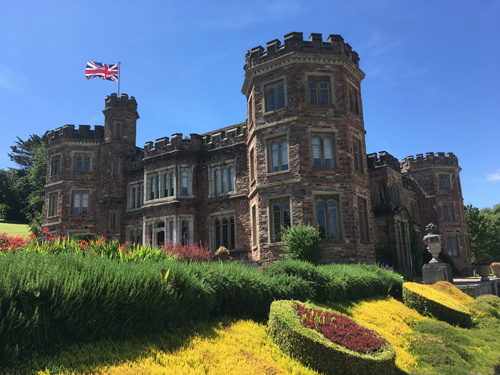
KINGSAND, CAWSAND & THE COAST
The twin villages of Kingsand and Cawsand make a perfect base. These former fishing villages are wonderfully unspoilt, with colour-washed cottages, narrow streets, pubs, cafés and small shops, all within a conservation area. Cawsand Bay has been a safe anchorage for centuries and is popular for swimming, kayaking and sailing.
The coast path continues along the cliffs past Penlee Point to Rame Head, crowned by the chapel of St Michael – licensed for Mass in 1397 – and on to the long sandy beaches of Whitsand Bay. The headland and Whitsand Bay form part of a Site of Special Scientific Interest for their wildlife and geology.
Inland, the villages of Millbrook, St John, Sheviock and St Germans are all worth a visit. Sea angling from the rocks is popular, with bass, wrasse, pollock and mackerel, and birdwatchers may see buzzards overhead, peregrines along the cliffs and cormorants fishing offshore. Looe and Polperro are a short drive west.
↑ Back to top

THINGS TO DO ON THE RAME PENINSULA
“The Forgotten Corner” is uncommercialised and timeless – forgotten, surely, by the crowds who stream over the Tamar Bridge further into Cornwall. It is a haven for those who enjoy the slower pace of country life: walking, birdwatching, fishing, or simply lazing on the beach.
History & Heritage
The peninsula is steeped in history, from the Iron Age cliff fort on Rame Head to the great estates of the Edgcumbes at Mount Edgcumbe, the Carew Poles at Antony and the Eliots at Port Eliot, St Germans. The little medieval church of St Germanus at Rame is still lit by candlelight, and St Germans priory church stands on the site of Cornwall’s early cathedral. You can’t miss the great Victorian forts – Tregantle, Scraesdon and Picklecombe among them – built in the 1860s as “Palmerston’s Follies” to guard Plymouth against a feared French invasion. And all around is the sea, with its stories of shipwreck and smuggling.
Country Parks & Gardens
Mount Edgcumbe’s gardens are registered Grade I – visit early in the year for the camellias, walk along the water’s edge and take tea in the Orangery. Nearby Antony House has renowned gardens of its own, and the National Trust’s Cotehele and Lanhydrock and the Lost Gardens of Heligan are all within reach for a day out.
Walking & Boating
Set off from Cremyll – the ancient crossing point into Cornwall – and follow the coast path through Mount Edgcumbe to Kingsand and Cawsand, then on through the bluebell woods of Penlee to Rame Head, stopping at one of the village pubs for lunch. Spend the afternoon on Cawsand beach – swimming, kayaking or sailing in the sheltered bay – or try your luck for bass from the rocks or flatfish in Millbrook Creek. Just around the corner from Rame Head, the long sandy beaches of Whitsand Bay make a perfect base for a seaside holiday.
↑ Back to top

Golf
The cliff-top Whitsand Bay Golf Club at Portwrinkle, with sea views from every hole, is right on the doorstep, and St Mellion, with its course designed by Jack Nicklaus, and Looe Golf Club are each around half an hour away. Golf courses in Cornwall
Wildlife
The peninsula is rich in wildlife. Buzzards and kestrels hunt overhead and peregrines nest on the cliffs of Rame Head – look carefully and you may glimpse a Dartford warbler in the gorse. On the other side of the peninsula, the Lynher estuary hosts waders and seabirds, including little egrets, making the area popular with birdwatchers, artists and photographers.
Further Afield
The Rame Peninsula is a good base for exploring the rest of Cornwall and Devon. Plymouth, with its theatres, shops and history, is just across the water by ferry; Dartmoor, Looe and Polperro are around half an hour away, Bodmin Moor about 45 minutes, and Land’s End about an hour and a half.
↑ Back to top
RAME PENINSULA MAP

ANTONY HOUSE (NATIONAL TRUST)
Antony House, near Torpoint, is an elegant early 18th-century house built for the Carew family, one of Cornwall’s great families, with gardens sloping down to the River Lynher. Now cared for by the National Trust, its grounds were used as a filming location for Tim Burton’s Alice in Wonderland in 2008.
↑ Back to top
VISITOR INFORMATION
Getting Here
By road over the Tamar Bridge (A38) or via the Torpoint chain ferry from Plymouth. On foot, the year-round Cremyll ferry runs from Admiral’s Hard, and the seasonal Cawsand Ferry from the Barbican.
Parking
There are car parks at Cremyll for Mount Edgcumbe, a pay-and-display car park in Cawsand, and car parks along the coast road above Whitsand Bay. Village streets are narrow, so please don’t try to park in them.
Facilities
Pubs, cafés, toilets and small shops in Kingsand and Cawsand; cafés and toilets at Mount Edgcumbe; and seasonal cafés along Whitsand Bay. Torpoint and Plymouth have larger shops.
Walks
The South West Coast Path enters Cornwall at Cremyll and runs through Mount Edgcumbe, Kingsand and Cawsand, past Penlee Point and Rame Head, and along the cliffs above Whitsand Bay.
Historic Houses
Mount Edgcumbe House and Country Park at Cremyll, and the National Trust’s Antony House near Torpoint – check opening times before you visit.
Disabled Access
Mount Edgcumbe has level paths near the house and formal gardens. Kingsand and Cawsand are steep and narrow, and the Whitsand Bay beaches are reached by steep cliff paths.
STAY & EXPLORE NEAR RAME PENINSULA
Nearby Towns
Back to the South East Cornwall area guide – all Caradon towns & villages
Cornwall Online | South East Cornwall Towns and Villages | Looe | Talland Bay | Polperro | Polruan | Fowey | Lostwithiel | Mevagissey | Whitsand Bay & The Rame Peninsula | Kingsand | Cawsand | Mount Edgcumbe Country Park | Torpoint | St Germans | Saltash | Liskeard | Siblyback Lake - Water Park | Minions - Hurlers - Bodmin Moor | St Neot | St Cleer | Callington | Gunnislake | Calstock | Cardinham Woods - Walking & Cycle Trails | Launceston |