Pendeen, Cornwall - A Rugged Coastal Village
Stay in Pendeen - A Rugged Coastal Base in West Cornwall
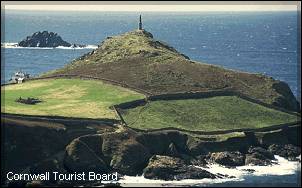
The village of Pendeen lies on the north coast of West Cornwall half way between Lands End and St Ives and there is a regular bus service joining these and connecting with buses to Penzance and St Just.
The parish of Pendeen encompasses several hamlets; Bojewyan, Boscaswell, Lower Boscaswell, Trewellard, Carnyorth and Levant being the main ones. Renowned for its copper and tin mines Pendeen grew in size to serve the mining community until the turn of the century. With the decline of the industry many of its sons emigrated seeking new lives in mines opening up all over the world and there are few old families without some connection to America, Australia , South Africa and other mining areas.
Pendeen accommodation offers visitors a unique opportunity to stay in one of Cornwall's most atmospheric coastal villages. Located on the dramatic north coast between Lands End and St Ives, Pendeen is ideal for travellers seeking a peaceful self catering holiday surrounded by heritage landscapes, cliffs and hidden coves.
This traditional Cornish village provides an authentic alternative to busier resorts, while still being close to major attractions such as St Just, Penzance and Sennen Cove. Whether you are looking for a romantic escape, a walking holiday or a base for exploring West Cornwall, Pendeen is perfectly positioned.
Why Choose Accommodation in Pendeen?
Staying in Pendeen gives you direct access to some of the most dramatic coastal scenery in the UK. The village sits within a UNESCO World Heritage mining landscape, surrounded by historic engine houses, cliff paths and unspoilt countryside.
Unlike larger tourist towns, Pendeen retains its quiet, local character. Visitors can enjoy peaceful evenings, dark skies for stargazing and easy access to some of Cornwall's best walking routes along the South West Coast Path.
Things to Do Near Pendeen Accommodation
From coastal walks to heritage sites, Pendeen is surrounded by attractions that make it one of the best places to stay in West Cornwall.
Portheras Cove and Boat Cove, Cornwall - Hidden Beaches Near Pendeen, Coastal Walks & Hidden Coves
Explore Portheras Cove and Boat Cove, two secluded beaches only accessible by footpath, ideal for walkers and photographers.
Portheras Cove, Land's End: A Hidden Gem on Cornwall's Rugged Coast
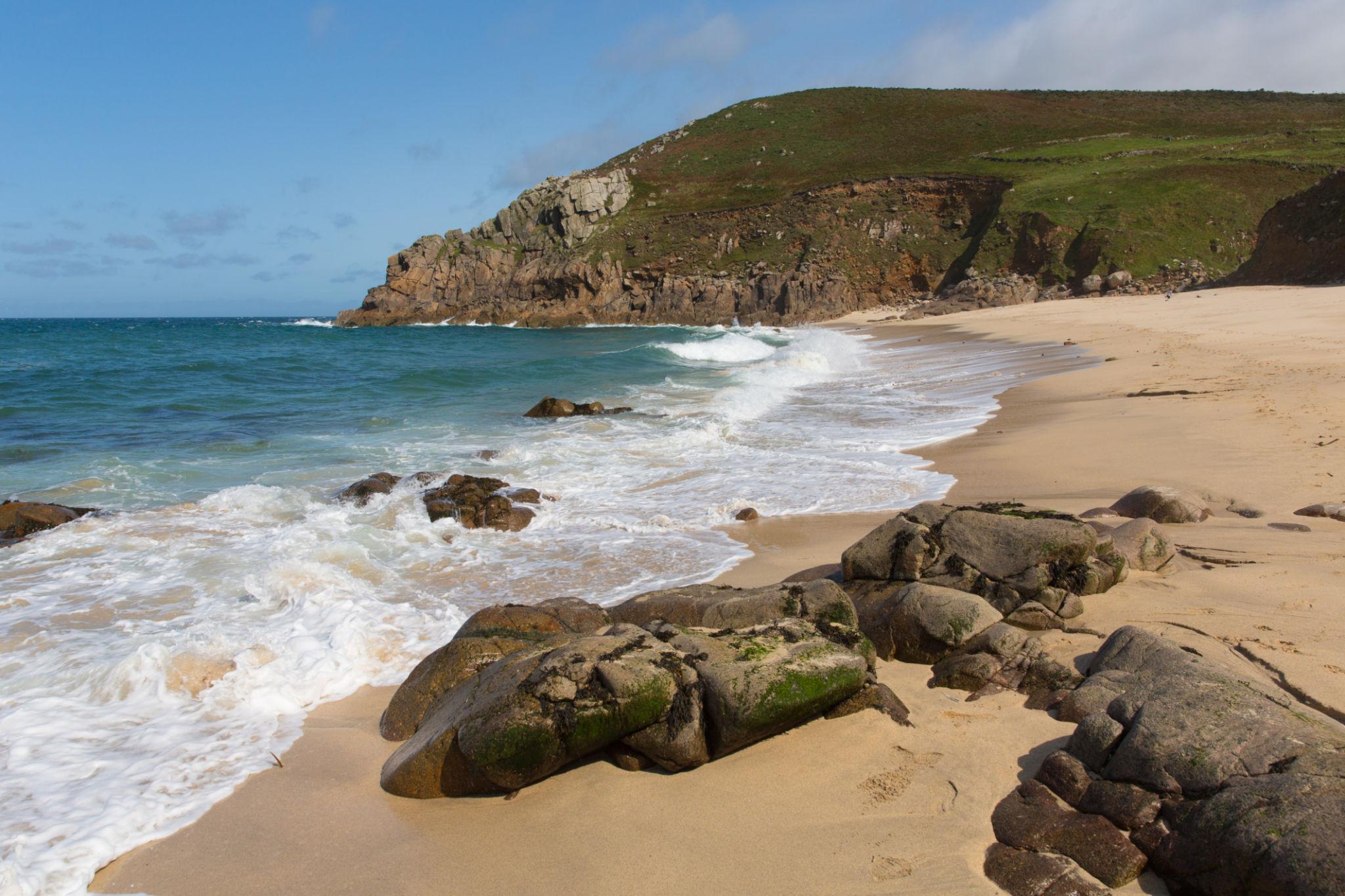
Tucked away along the dramatic coastline near Land's End, Portheras Cove is one of Cornwall's best-kept secrets. Unlike the more crowded beaches in the region, Portheras Cove near Land's End offers a peaceful escape for visitors seeking unspoiled natural beauty, coastal adventure, and authentic Cornish charm. If you're searching for a secluded beach near Land's End, this hidden cove should be at the top of your list.
Portheras Cove and Boat Cove are two of West Cornwall's most secluded and beautiful coastal spots, located near the village of Pendeen between St Just and Pendeen Watch. These hidden coves sit beneath dramatic granite cliffs and offer a peaceful escape from busier beaches, making them ideal for walkers, nature lovers and those seeking unspoilt scenery.
Portheras Cove is a wide, sandy beach framed by rugged cliffs and accessed via a steep coastal footpath. Its remote location ensures a quiet atmosphere, even during the summer months. The cove is popular with walkers exploring the South West Coast Path, as well as photographers capturing the raw beauty of Cornwall's Atlantic coastline. Wildflowers bloom along the cliff paths in spring and summer, while seabirds nest in the surrounding rock faces.
Why Visit Portheras Cove Near Land's End?
Portheras Cove is renowned for its wild, untouched landscape. Surrounded by rolling cliffs and farmland, this sandy beach provides a striking contrast to Cornwall's busier tourist hotspots. Its location near Land's End in Cornwall makes it an ideal destination for travelers exploring the far west of the region.
One of the biggest draws of Portheras Cove Cornwall is its tranquility. Even during peak summer months, it remains relatively quiet compared to nearby beaches. This makes it perfect for couples, photographers, and nature lovers looking to experience Cornwall's hidden beaches without the crowds.
Stunning Coastal Scenery and Wildlife
The rugged beauty of Portheras Cove near Land's End is unmatched. The beach is framed by steep cliffs, offering breathtaking views across the Atlantic Ocean. On clear days, visitors can enjoy panoramic coastal scenery that rivals some of the UK's most famous viewpoints.
Wildlife enthusiasts will also appreciate the area. Seabirds are commonly spotted along the cliffs, and if you're lucky, you may even catch sight of seals basking on the rocks. The surrounding coastal paths provide excellent walking routes, making Portheras Cove a prime location for coastal walks near Land's End.
Things to Do at Portheras Cove, While Portheras Cove Cornwall is relatively undeveloped, it still offers plenty of activities for visitors:
- Beach Walks: The soft sand and peaceful setting make it ideal for long, relaxing strolls along a quiet beach near Land's End.
- Photography: The dramatic cliffs and changing light conditions create perfect opportunities to capture the beauty of Portheras Cove.
- Surfing: Depending on conditions, Portheras Cove can produce decent waves for experienced surfers looking for less crowded spots.
- Coastal Hiking: The nearby South West Coast Path offers spectacular walking routes with views of Land's End and the surrounding coastline.
- Dogs: Dogs allowed all year at Portheras Cove.
How to Get to Portheras Cove
Post Code: TR19 7ED (Pendeen Watch), TR19 7TU (Lower Chypraze).
Accessing Portheras Cove near Land's End requires a short walk from nearby parking areas, adding to its secluded appeal. Park at Pendeen Watch car park, where there is room for about 10-14 cars and some road parking. There is also a small car park at Lower Chypraze. The walk itself is part of the experience, taking you through picturesque countryside before revealing the hidden beach below, the path is steep in places and final access to the beach is via steep steps.
Its proximity to Land's End Cornwall means it can easily be included in a day trip exploring the westernmost attractions in the region.
Best Time to Visit Portheras Cove
The best time to visit Portheras Cove is during late spring and summer when the weather is more favorable. However, autumn also offers a unique charm, with fewer visitors and dramatic ocean views, making it perfect for those seeking a peaceful beach near Land's End.
Discover Portheras Cove Near Land's End
If you're looking for a quiet, scenic beach near Land's End, Portheras Cove delivers an unforgettable experience. Its combination of natural beauty, peaceful atmosphere, and coastal adventure makes it one of Cornwall's hidden gems. Whether you're planning a relaxing day by the sea or exploring the rugged coastline, Portheras Cove near Land's End is a destination worth discovering.
Nearby Boat Cove is smaller and more secluded, offering dramatic views of crashing waves against the granite shoreline. It is a truly wild and atmospheric location, best visited in calm conditions and by experienced walkers familiar with coastal terrain. The cove's isolation adds to its sense of untouched natural beauty.
Together, Portheras Cove and Boat Cove represent some of the most pristine and dramatic coastal landscapes in Cornwall, offering visitors a chance to experience the quieter, more rugged side of the Cornish coast.
Levant Mine & Beam Engine Historic Clifftop Mining Heritage
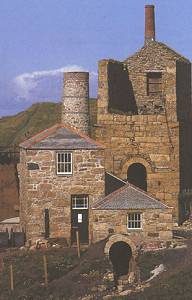
A restored National Trust site showcasing Cornwall's mining heritage, set dramatically on the cliffs above the Atlantic Ocean. Levant Mine is one of Cornwall's most iconic and atmospheric mining heritage sites, located on the dramatic cliffs between Pendeen and St Just in West Cornwall. Managed by the National Trust, the site forms part of the Cornwall and West Devon Mining Landscape UNESCO World Heritage Site, reflecting its global significance in the history of industrial mining.
Originally opened in the 18th century, Levant Mine was a major centre for tin and copper extraction, with workings extending far beneath the Atlantic Ocean. The site is best known for its restored steam-powered beam engine, one of the last of its kind in the world, which once played a vital role in pumping water from deep underground shafts to keep the mine operational.
Today, visitors can explore the beautifully preserved engine house and enjoy spectacular coastal views where rugged cliffs meet the open sea. The location is also famous for its connection to Cornish mining communities and its appearance in the television series Poldark, where it was featured as Tressiders Rolling Mill.
Levant Mine offers a powerful insight into Cornwall's industrial past, combining history, engineering and breathtaking scenery in one unforgettable coastal setting.
Geevor Tin Mine - A Living Museum of Mining Heritage
One of the best mining museums in the UK, offering underground tours and interactive exhibits on Cornwall's industrial past. Geevor Tin Mine is one of the most important industrial heritage sites in Cornwall and a key attraction on the dramatic north coast near Pendeen and St Just. Set within the Cornwall and West Devon Mining Landscape UNESCO World Heritage Site, Geevor offers visitors a rare opportunity to explore a fully preserved tin mine and experience the history of one of Cornwall's most significant industries.
The mine was originally established in the late 18th century and operated for over 200 years before finally closing in 1990, making it one of the last working tin mines in Cornwall. Today, it has been transformed into an award-winning heritage museum where visitors can step back in time and discover the reality of life as a Cornish miner.
Geevor Tin Mine allows guests to explore both surface buildings and underground workings. Guided tours take visitors into former tunnels, where they can see the narrow rock passages, tools and working conditions that miners once endured. Above ground, the site features preserved engine houses, processing plants and interactive exhibits that explain every stage of the tin extraction process, from blasting and crushing to washing and sorting ore.
One of the highlights of Geevor is the opportunity to gain a deeper understanding of Cornwall's mining communities and their global influence. As mining declined in the region, many local families emigrated to countries such as Australia, South Africa and the United States, spreading Cornish mining expertise around the world.
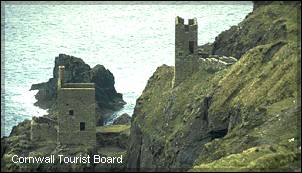
Today, Geevor Tin Mine stands as a powerful educational and cultural landmark, offering a fascinating insight into Cornwall's industrial past. With its dramatic cliff-top setting overlooking the Atlantic Ocean, it is both an atmospheric and historically significant destination, making it a must-visit attraction for anyone exploring West Cornwall.
Pendeen Watch Lighthouse - Dramatic Coastal Beacon
A striking lighthouse on a rugged headland, famous for shipwreck history and panoramic ocean views. Pendeen Watch Lighthouse is a striking coastal landmark situated on the rugged north coast of West Cornwall, between St Just and Pendeen. Standing on a slate and granite headland known as Pendeen Watch, the lighthouse has guided ships safely along this treacherous stretch of Atlantic coastline since it was first established in the early 20th century.
Built to warn passing vessels of hidden reefs, strong currents and hazardous rocks, the lighthouse played a vital role in reducing the number of shipwrecks in an area once notorious for maritime disasters. The surrounding coastline is still marked by the remains and stories of vessels lost to the powerful seas, giving the location a rich and sometimes dramatic maritime history.
Today, Pendeen Watch Lighthouse remains an iconic feature of the Cornish landscape. Although automated, it continues to serve as an active navigational aid while also attracting visitors drawn to its remote and atmospheric setting. The views from the headland are spectacular, stretching across the Atlantic Ocean towards Lands End and along the wild Cornish coast.
Popular with walkers on the South West Coast Path, photographers and wildlife enthusiasts, the lighthouse offers an unforgettable experience of Cornwall's raw coastal beauty. At sunset or during stormy weather, the dramatic scenery creates one of the most powerful coastal viewpoints in the region.
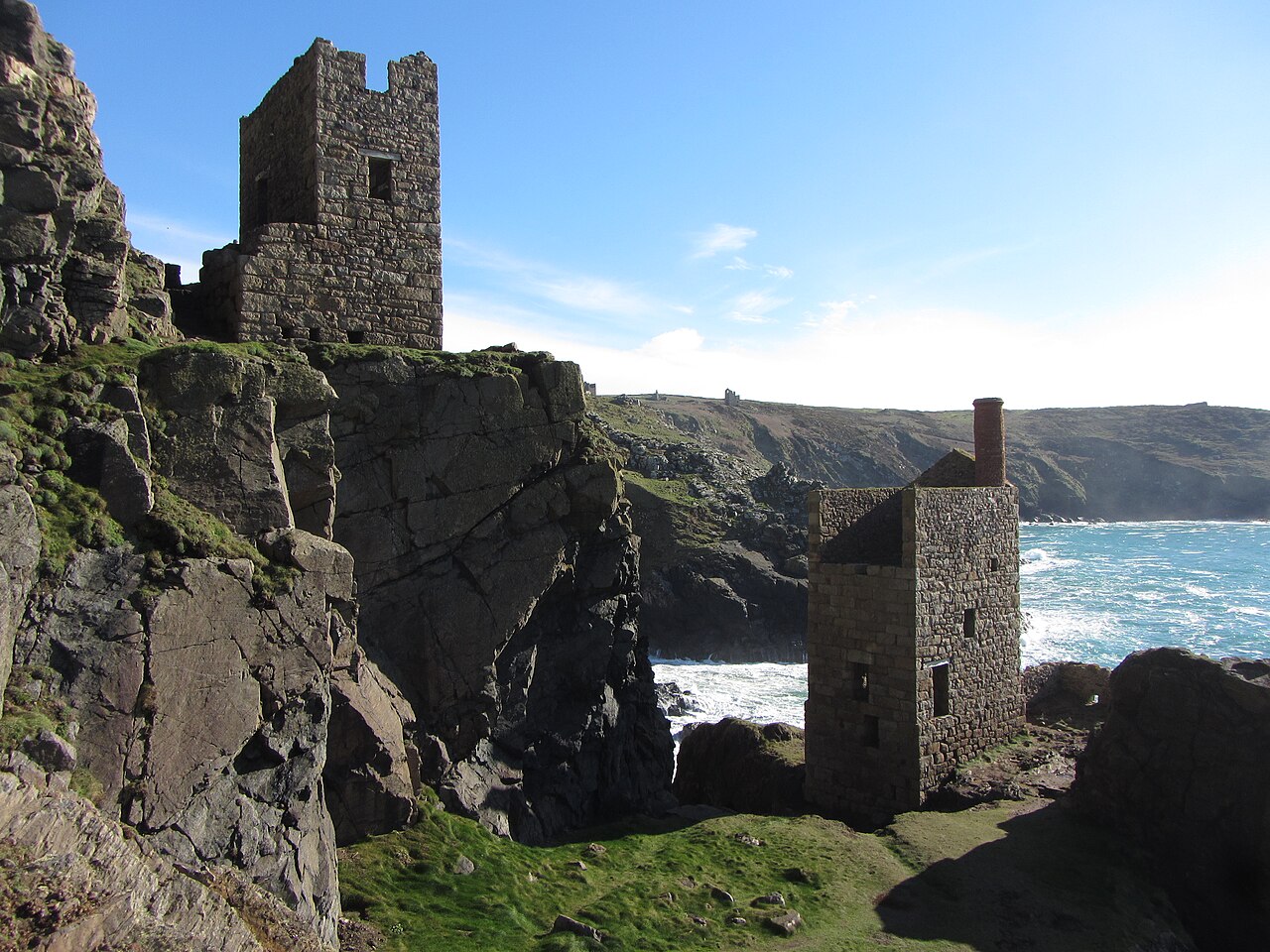
The Crowns Engine Houses at Botallack Mine
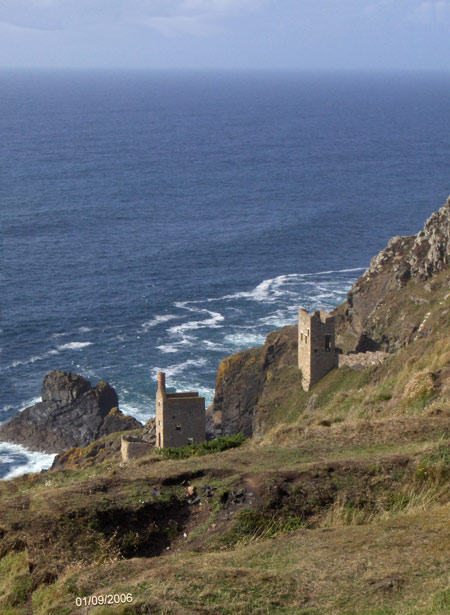
The Crowns engine houses at Botallack Mine are among the most iconic remnants of Cornwall's industrial past, dramatically perched on the cliffs between St Just and Pendeen in West Cornwall. Part of the wider Botallack mining complex, they form a key section of the Cornwall and West Devon Mining Landscape UNESCO World Heritage Site, recognised for its outstanding contribution to the history of global mining.
The engine houses themselves were built in the 19th century to support deep underground tin and copper mining operations that extended far beneath the Atlantic Ocean. At Botallack, miners followed rich mineral lodes that dipped steeply under the seabed, requiring shafts to be driven horizontally into the cliffs and then downwards to reach the ore bodies. The Crowns section of the mine was particularly famous for this extreme engineering challenge, as workings extended more than a mile out beneath the sea.
To manage water ingress and maintain access to the deep levels, powerful steam-powered beam engines were installed in the cliffside engine houses. These engines pumped water out of the mine shafts and helped raise ore to the surface for processing. The most recognisable structures today are the twin engine houses clinging to the edge of the cliffs, their stone walls standing as a testament to Victorian engineering ambition and endurance in one of the harshest working environments imaginable.
Life at Botallack was extremely difficult. Miners worked in cramped, hot and dangerous conditions underground, often descending for long shifts in near-total darkness. Above ground, the exposed coastal position meant the buildings were constantly battered by Atlantic winds and salt spray. Despite this, the mine operated successfully for many decades and was a vital source of employment for local communities.
Today, The Crowns engine houses are no longer in use but have become one of Cornwall's most photographed landmarks. Their dramatic setting, where industrial archaeology meets wild coastal scenery, attracts walkers, photographers and visitors exploring the South West Coast Path. The site also gained wider fame through television, appearing in the series Poldark as a backdrop representing Cornwall's mining heritage.
Preserved by the National Trust, Botallack and The Crowns offer a powerful insight into Cornwall's mining history. They stand not only as engineering relics but also as memorials to the generations of miners whose lives were shaped by the harsh but vital industry that once defined this rugged coastal landscape.
Carn Kenidjack and the Ancient Landscape of West Cornwall
Carn Kenidjack is one of the most atmospheric and visually striking granite outcrops in West Cornwall, rising above the moorland near Pendeen and St Just. Often referred to as the "hooting carn", it is famous for the eerie sounds produced when strong Atlantic winds pass through its unusual rock formations. This natural phenomenon, combined with its rugged silhouette and remote setting, has long inspired local legends, folklore and a sense of mystery.
The surrounding landscape forms part of one of the richest concentrations of ancient sites in Cornwall. This area of moorland and granite hills has been inhabited and used by humans for thousands of years, leaving behind a remarkable legacy of prehistoric monuments, standing stones and ritual sites that continue to fascinate archaeologists and visitors alike.
Chun Quoit - A Neolithic Burial Chamber
Chun Quoit is one of the best-preserved Neolithic burial chambers in Cornwall, dating back approximately 4,000 to 5,000 years. Constructed from massive granite slabs, it consists of a large capstone supported by upright stones, forming a chamber that would have been used for ceremonial burials or ritual purposes.
Perched dramatically on the moorland, Chun Quoit offers panoramic views across the surrounding landscape, reinforcing its likely significance as both a spiritual and territorial marker for early communities. Its enduring structure highlights the engineering skill and cultural sophistication of Cornwall's prehistoric inhabitants.
Chun Castle - Iron Age Hill Fort
Nearby Chun Castle is an Iron Age hill fort situated on a prominent granite hill overlooking the surrounding countryside. Dating from around 2,500 years ago, the site would have served as a defended settlement or refuge for local tribes.
Although today only earthworks and stone remnants remain, the location still conveys a powerful sense of its strategic importance. From the summit, visitors can enjoy sweeping views across both the north coast and inland moorland, making it easy to understand why this site was chosen for settlement and defence.
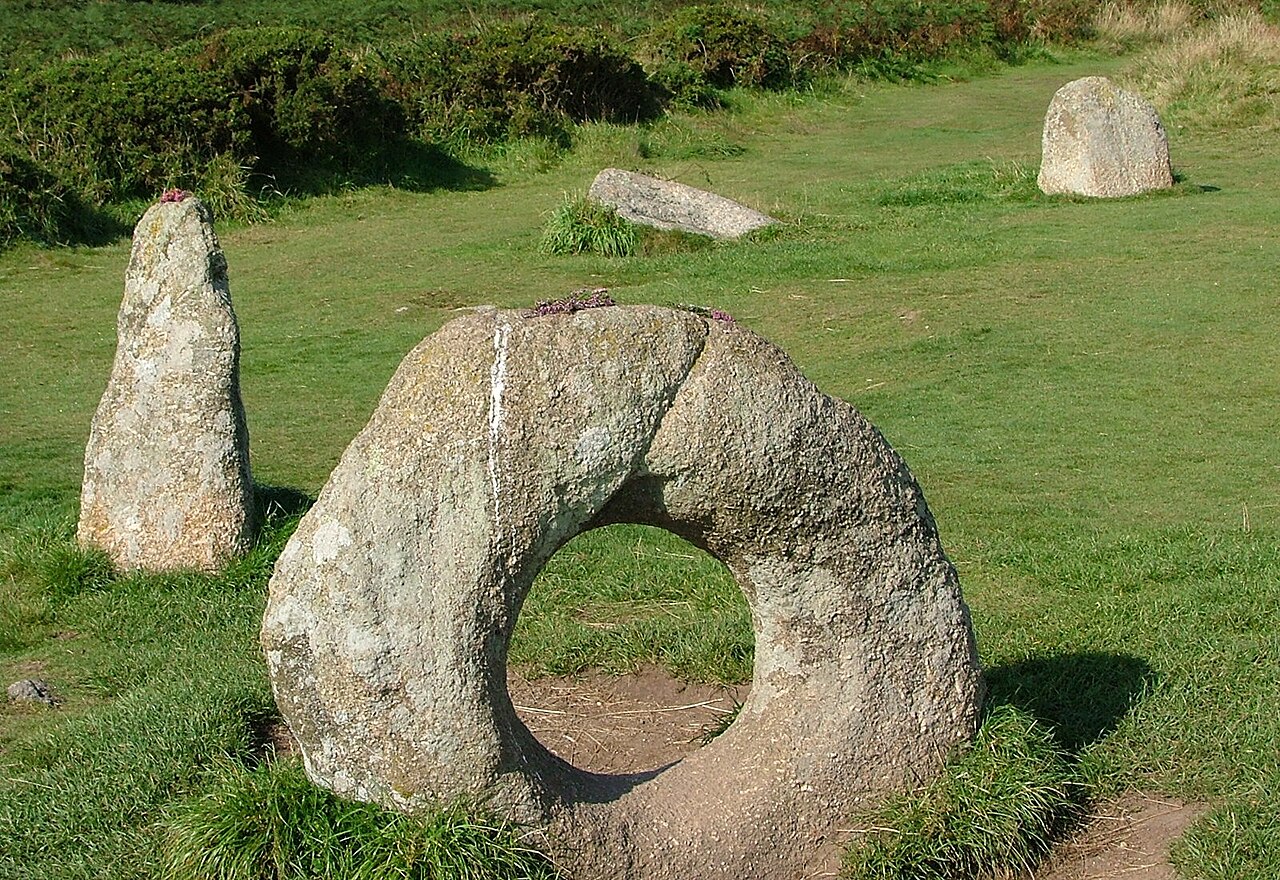
Men-an-Tol - The Mysterious Holed Stone
Men-an-Tol is one of Cornwall's most iconic prehistoric monuments, featuring a distinctive circular holed stone flanked by upright pillars. Its purpose remains uncertain, though it is widely believed to have had ritual, astronomical or healing significance.
Local folklore suggests that passing through the central hole could cure ailments or bring good fortune, and the site continues to attract visitors intrigued by its mystery and mythology. Set within open moorland, Men-an-Tol remains one of the most photographed ancient sites in Cornwall.
Men Scryfa - The Inscribed Standing Stone
Men Scryfa is an ancient standing stone located near Pendeen, bearing an inscription believed to date from the early medieval period. The carved Latin text is thought to commemorate a Celtic warrior, linking the site to Cornwall's post-Roman history.
Surrounded by farmland and moorland, Men Scryfa stands as a powerful reminder of the region's long and complex history of settlement, conflict and cultural change. Its simplicity contrasts with its historical significance, making it an important archaeological landmark in the area.
A Landscape of Ancient Mystery and Heritage
Together, Carn Kenidjack, Chun Quoit, Chun Castle, Men-an-Tol and Men Scryfa form part of an extraordinary prehistoric landscape that reflects thousands of years of human activity in West Cornwall. From Neolithic ritual sites to Iron Age fortifications and early medieval inscriptions, this area offers a unique journey through time.
Visitors exploring these sites today can experience not only their historical importance but also the dramatic natural beauty of the surrounding moorland. The combination of granite tors, open skies and Atlantic winds creates a timeless atmosphere that has changed little since ancient times.
This remarkable concentration of ancient monuments makes the Pendeen and St Just area one of the most important archaeological landscapes in Britain, offering an unforgettable insight into Cornwall's distant past.
Perfect Base for Exploring West Cornwall
Pendeen accommodation is ideally located for exploring the wider West Cornwall region. Within a short drive you can reach:
- Lands End - dramatic cliffs and walking routes
- St Just - traditional Cornish town with galleries and cafés
- Penzance - harbour town with transport links and shops
- Sennen Cove - surfing beach with golden sand
- St Ives - art galleries and beaches
This makes Pendeen one of the most convenient yet peaceful bases for a Cornwall holiday.
Book Your Pendeen Holiday Stay
Explore self catering accommodation in Pendeen and enjoy one of Cornwall's most scenic and historic coastal villages. Perfect for walking holidays, heritage exploration and relaxing breaks in nature.
View Accommodation OptionsPendeen Holiday Accommodation in Cornwall
Pendeen continues to attract visitors looking for authentic Cornwall accommodation away from busy tourist centres. Its combination of coastal scenery, mining history and peaceful rural surroundings makes it one of the most desirable places to stay in West Cornwall.
Whether you are planning a short break or a longer holiday, Pendeen offers a unique blend of history, nature and tranquillity. Self catering cottages in and around the village provide the perfect base to explore Cornwall at your own pace.